What to Do with Old Cookie Tins
What to Do with Old Cookie Tins?
More Than You'd Think
There's something almost stubborn about a cookie tin. You finish the cookies, set the tin aside — and somehow, weeks later, it's still there. You haven't thrown it away because it doesn't feel like trash. And you're right. It isn't.
The fact that you're asking this question says something interesting: a well-made tin creates a kind of obligation. It's too solid to toss, too useful-looking to ignore. That's not accidental — it's what good metal packaging does. It outlasts its original purpose and begs for a second one.
So. What do you actually do with it?

Before Anything Else: Know What You're Working With
Not all old cookie tins are created equal. The ones worth keeping and repurposing seriously are made from food-grade tinplate — a thin steel sheet with a tin coating that resists rust, holds its shape, and doesn't leach anything into whatever you put inside it.
If it's dented badly, rusting at the seams, or the interior coating is chipped — the right move is the metal recycling bin. Steel is one of the most recyclable materials on earth, and the tin coating gets recovered in the smelting process. That's a perfectly respectable ending.
Assuming your tin is in decent shape — here's what it can actually become.

In the Kitchen: It Was Already There, Keep It There
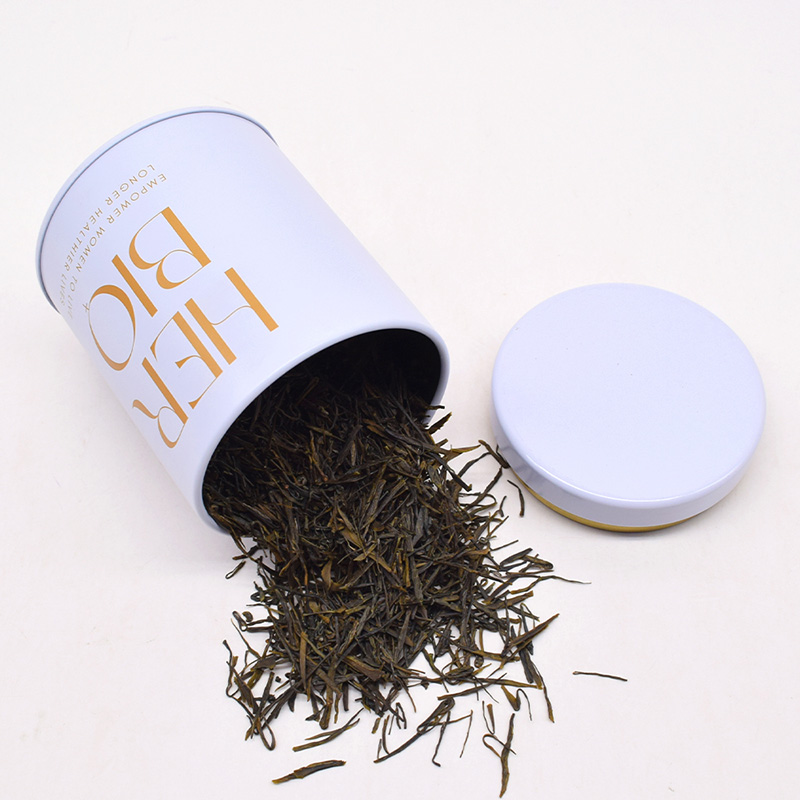
The most obvious repurpose, and honestly one of the best. A round cookie tin with a press-on lid is basically a purpose-built dry goods container — airtight enough to keep things fresh, opaque enough to block light, and sturdy enough to stack.
A round tin with a snug lid keeps air and moisture out, preserves flavor. If you already use a dedicated container, a cookie tin is a direct upgrade from flimsy plastic or cardboard.
Smaller tins — the kind that held a single layer of shortbread — work well for bulk spices decanted from bags. Label the outside with masking tape if needed. Simple.
Cookie cutters, piping tips, cake decorating tools — these scatter across a drawer and disappear. A medium tin keeps them in one place and takes up exactly the shelf space it looks like it should.
A rectangular tin on the counter keeps crackers crisp longer than a bag clip ever will. Not a novel idea — but a genuinely useful one.
Around the House: Storage That Doesn't Look Like Storage
A tin on a shelf doesn't look like clutter. That's a meaningful distinction.
Pens, markers, scissors, paper clips, push pins — a round tin keeps them contained and looks considerably better than a mug or a plastic cup. A rectangular tin handles rulers and longer items without tipping.
Needles, thread, buttons, safety pins, small scissors — this is exactly the kind of assortment that lives in a tin in someone's grandmother's house and is still perfectly organized decades later. There's a reason that became a cliché.
Crayons, colored pencils, small brushes — a tin is more durable than a pencil case and harder to spill. It also survives being dropped, which a cardboard box does not.
Band-aids, medical tape, antiseptic wipes, pain relief tablets — a sliding tin or small hinged tin is exactly the right size for a bag or glove compartment. The lid stays closed under pressure, which matters.
Nails, screws, picture hooks, wall anchors — a few labeled tins stack better than a tangle of loose hardware bags. It doesn't fix the drawer, but it contains the chaos.
As a Gift Container: Use the Tin, Not Just What's In It
This is where a good tin really earns its keep.
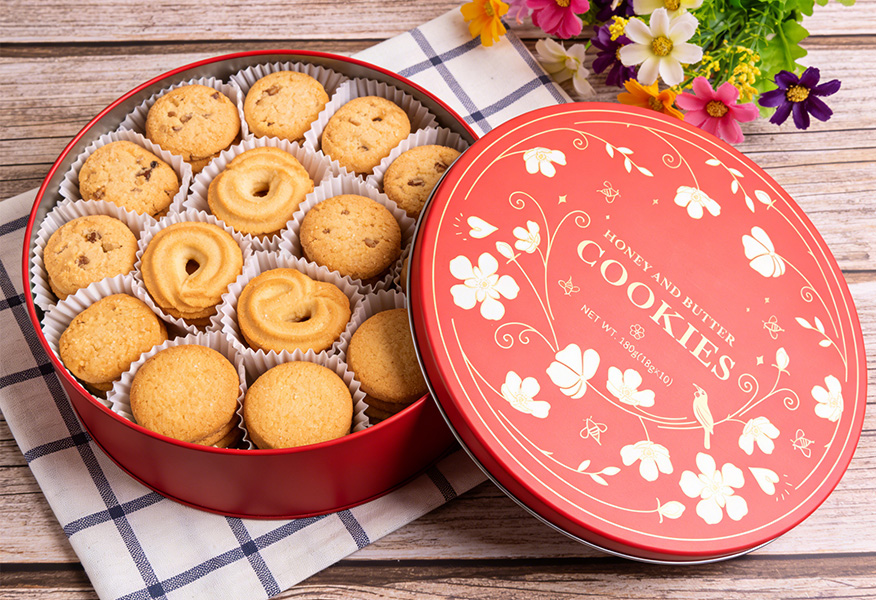
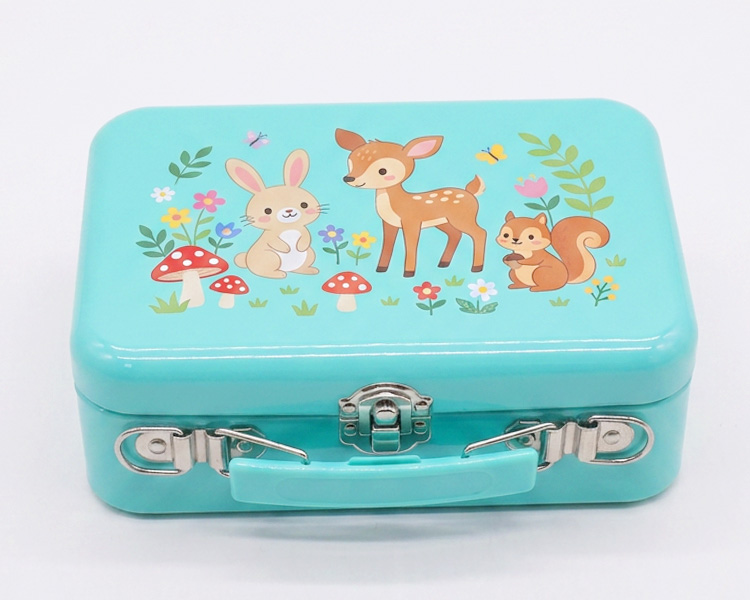
A quality cookie tin — particularly one with a hinged lid, an embossed finish, or a distinctive shape — functions as packaging for a gift in a way that a paper bag or cardboard box simply doesn't. The recipient gets the contents and a container they'll actually use afterward.
Fill it with any combination that makes sense for the person. The tin frames the gift and adds weight — literally and metaphorically — to what's inside.
This also works in reverse: if you're a brand, a bakery, or a food business putting your product into a tin, you're giving your customer two things at once. The product they bought, and something durable they'll keep. That's a better value proposition than a box they recycle the same day.

For Planting: Yes, Actually
A round or rectangular cookie tin with drainage holes punched into the bottom becomes a planter — and a good-looking one. The metal surface weathers interestingly over time, and the depth of most cookie tins suits herbs, succulents, or shallow-rooted annuals well.
A row of round tins on a windowsill filled with rosemary, thyme, and chives is more interesting than a row of identical terracotta pots — and costs you nothing if you already have the tins.
What This Really Comes Down To
A cookie tin lasts because of how it's made. Food-grade tinplate doesn't warp, doesn't absorb moisture, doesn't crack, and doesn't degrade into your food. Those properties — the ones that make it a good food container — are the same ones that make it a good everything-else container.
The tins that get kept and repurposed for years are the ones built well to begin with. Thin gauge, poor seams, flaking print — those tins feel disposable because they are. The tins that sit on a shelf for ten years and still look presentable are the ones that were made with care.
About the Tins We Make at Longteng
We make cookie tins from food-grade tinplate, with strong airtight seals and surface finishes that hold up over time rather than looking worn within a season. Round cookie tins, rectangular tins, square tins, and custom shapes — all customizable in size and print for brands that want packaging with a longer story.
Because the best outcome for a tin isn't getting recycled on day one. It's never needing to be.
"If you're thinking about custom cookie tin packaging for a brand, a bakery, or a food product — or just curious about what's possible — feel free to reach out."
How Long Does Loose Leaf Tea Last in a Tin
Where to Buy Empty Cookie Tins
Related Article