What is Tin Used for
Tin. It's Everywhere. But What Is It Actually Used For?
From the cookie tin on your grandmother's shelf to the airtight tea tin in your kitchen — tin shows up in more places than you'd think. Let's actually dig into why.
🔬First: Tin Is Not What Most People Think It Is
Pure tin is a soft, silvery metal — element number 50 on the periodic table, symbol Sn, atomic mass 118.71. It melts at 232°C. On its own, it's too soft to hold a shape well. So in packaging, what we actually use is tinplate: a thin sheet of steel with a very fine layer of tin electroplated onto the surface.
The steel gives it structure and strength. The tin gives it corrosion resistance and food safety. Together, you get a material that's tough, printable, lightweight, and safe for direct contact with food. That's why it's been the standard for food and packaging applications for over a century.
📦So What Is Tin Actually Used For?
Let's go through the real categories — not just "packaging" as a vague catch-all.
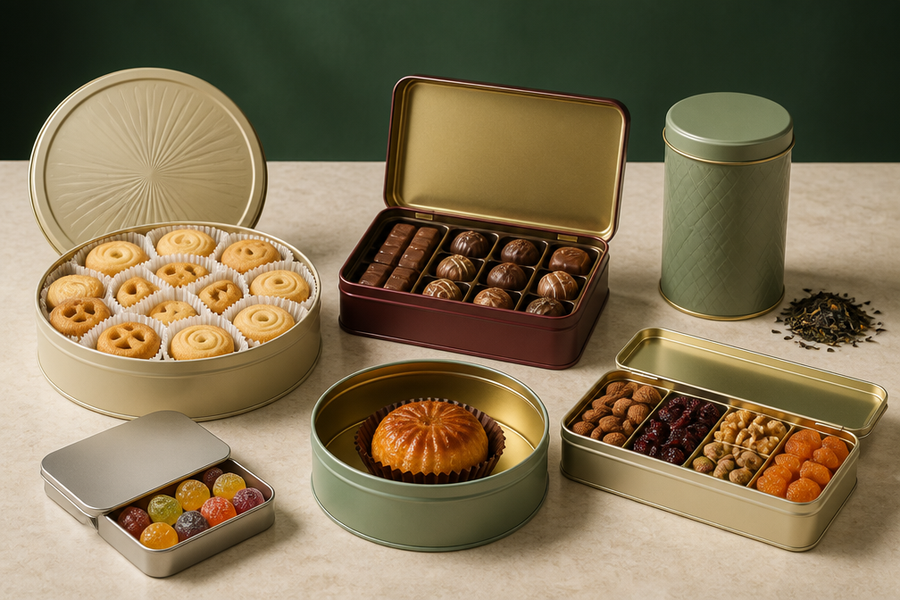
🍪Food Tin Boxes Deserve Their Own Section
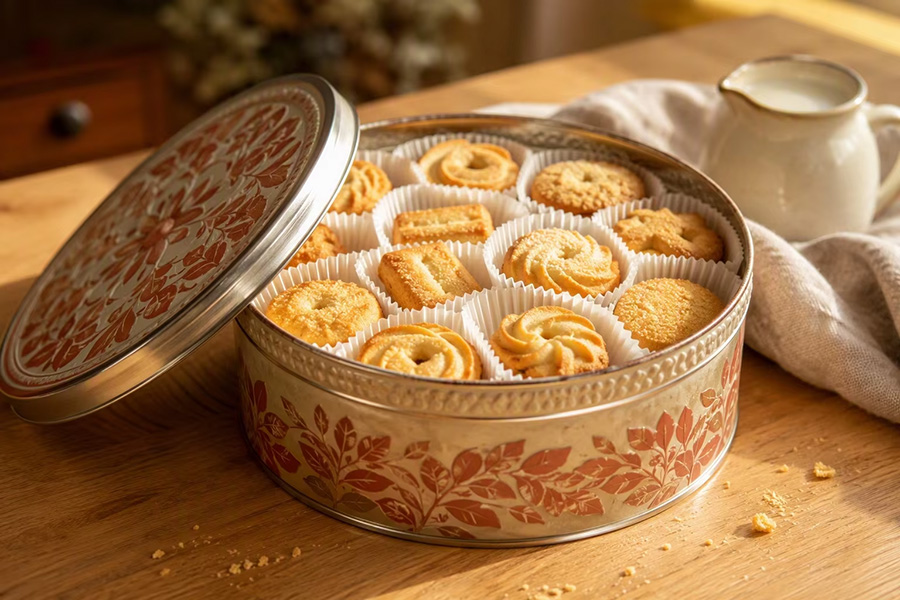
Food packaging is where tin has been winning for over a hundred years — and it's still winning. Not because of nostalgia. Because it actually does the job better than most alternatives when it comes to keeping food fresh, safe, and presentable.
The food-grade tinplate used in tin boxes has an inner lacquer coating that prevents metal contact with food — making it safe for direct food packaging. The rigid structure protects contents from getting crushed during shipping. The airtight seal locks out moisture and air. And unlike plastic, tin doesn't absorb odors or leach anything into the food over time.
Then there's the visual side: tin takes full-color offset printing, embossing, gold stamping, and matte coatings better than cardboard ever could. A well-designed food tin looks premium on a shelf without any extra effort.

♻️One More Thing: Tin Is Recyclable
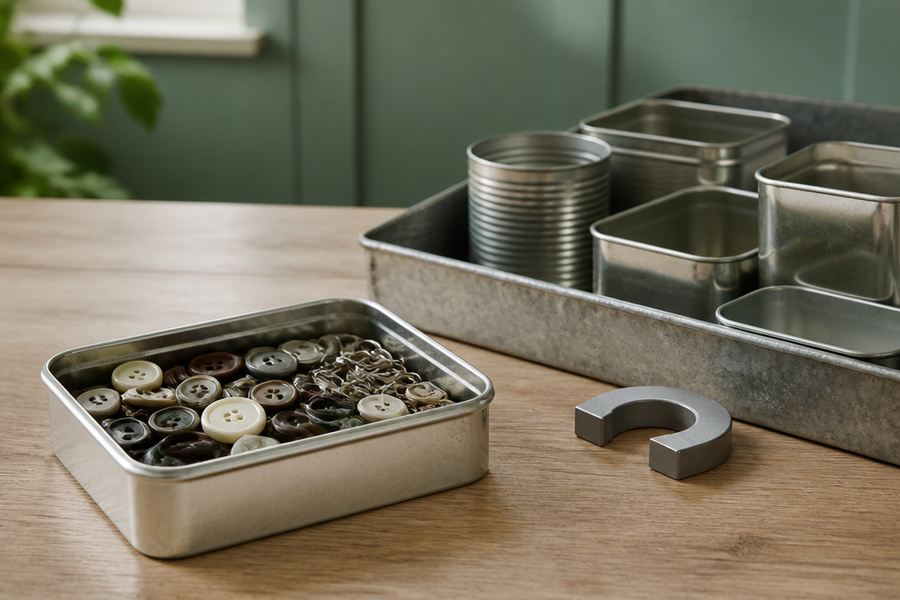
Steel is the most recycled material on earth — and because tinplate is mostly steel, it's recyclable through standard metal recycling streams. Magnets attract it, which makes sorting easy at recycling facilities.
That said — the tin box you keep reusing for five years as a storage container? That's better than any recycling cycle. Reuse beats recycle, every time. And tin is durable enough to make reuse genuinely practical, not just idealistic.
🏭If You're Looking to Source Tin Packaging
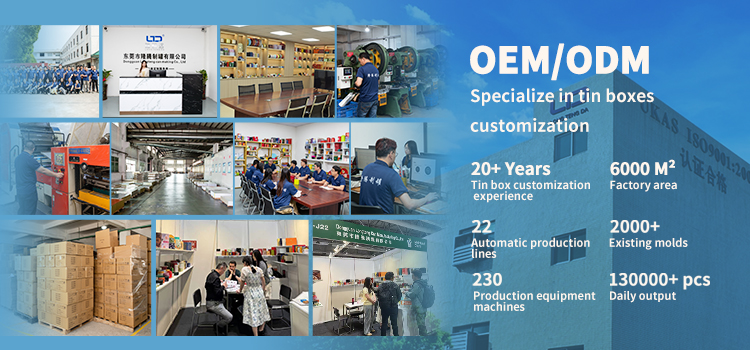
We're Longteng — a tin box manufacturer based in Dongguan, China. We've been making tin boxes for 20 years: 22 automatic production lines, 2,000+ existing molds, 230 pieces of production equipment. Food-grade tinplate. Full ODM and OEM services. We handle everything from mold development and design to offset printing and final production.
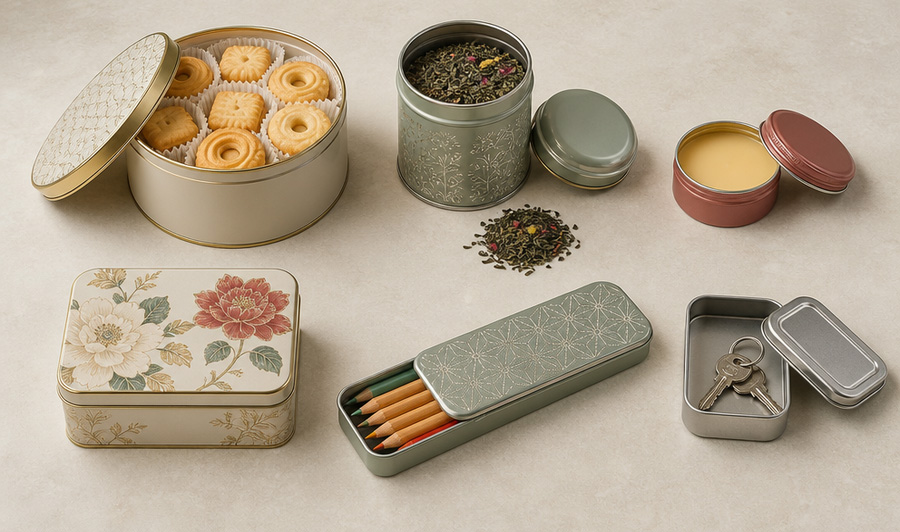
Products we make regularly: cookie tins, biscuit tins, tea tins, coffee tins, chocolate tins, cake tins, mint tins, candy tins, cosmetic tins, gift tins, piggy banks, pencil cases, card holders, sliding tin boxes, child-resistant tins. If it's a tin box, we've probably made it.
Surface finishes include matte varnish, gloss coating, gold stamping, embossing, and spot UV — all customizable per order.
We offer free samples and small-batch trials. Tell us your size, shape, and finish — we'll handle the rest.
Related searches covered in this article:
Have a tin packaging project in mind? Drop me a message — samples are free, and I'll get back to you fast.
Can You Make a Candle in a Tin Can
Related Article