What Metal is Tin
What Metal Is Tin? The answer is simpler than you'd think.
And a lot more interesting.
Most people use the word "tin" every day without knowing what it actually is. Tin can. Tin box. Tin foil. Not all of them are tin. Let's sort this out.
Tin Has Been Around for 5,000 Years. Here's What It Actually Is.
Tin is a chemical element — symbol Sn, atomic number 50. Soft, silvery-white, melts at about 232°C, and doesn't rust. Humans have been using it since the Bronze Age, long before anyone had a periodic table to organize it on.
On its own, pure tin is too soft for most practical uses. Scratch the surface of a pure tin bar and you'd leave a mark. It's workable but not durable — which is why you almost never encounter a product made entirely of pure tin in everyday life.
What you do encounter, constantly, is tin used as a coating on top of steel. And that combination — steel plus tin — is what most metal tins, tin boxes, tin cans, and tin containers in the world are actually made of. It's called tinplate, and it's been the backbone of metal food packaging for over 200 years.
"The tin is the surface. The steel does the heavy lifting underneath. Together, they make something neither could be alone."
On tinplate constructionTinplate: What Your Metal Tin Box Is Actually Made Of
Tinplate is a thin sheet of steel with a very fine layer of tin electroplated onto both surfaces. The steel gives rigidity and structure — it's what stops a tin box from bending when you press the sides. The tin coating does three things at once: it stops the steel from rusting, makes the surface food-safe and non-reactive, and gives it a smooth finish that ink can grip during printing.
- Rigidity — holds shape under pressure
- Magnetic — enables recycling sorting
- RF shielding — blocks electromagnetic signals
- Durability — survives drops without cracking
- Rust prevention — protects the steel core
- Food-safe — non-toxic, non-reactive
- Printable — smooth surface for full-color printing
- Odor-neutral — doesn't absorb or transfer smells
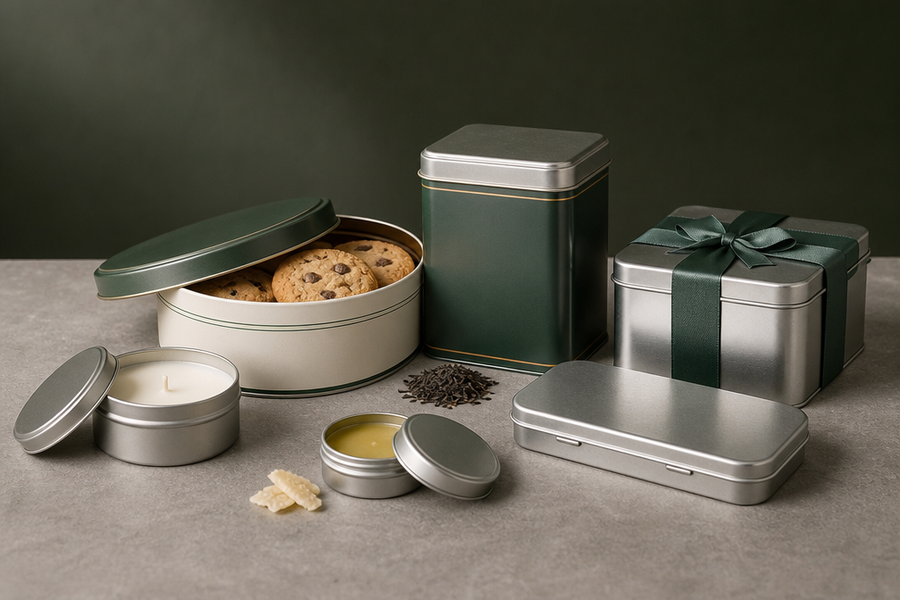
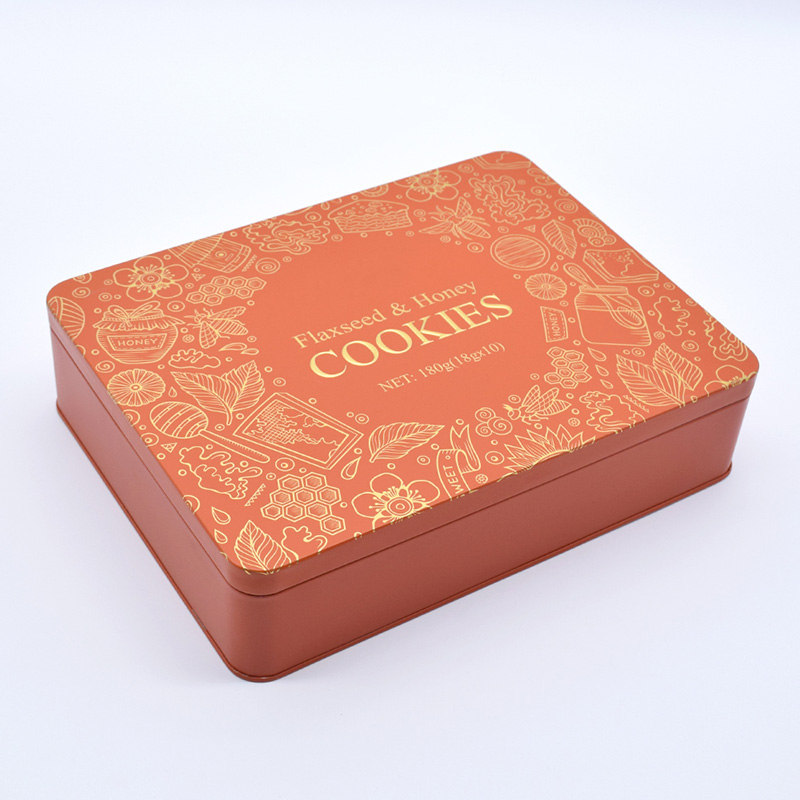
Think about the last metal tin box you held — a cookie tin, a tea tin, a gift tin, a candle tin. That was almost certainly tinplate, not pure tin. The name "tin box" stuck because tin is the visible surface, but the steel is what makes it useful.
Is Tin the Same as Aluminum? Not Even Close.
This comes up constantly. Aluminum (Al, atomic number 13) is lighter, softer, and forms its own rust-resistant oxide layer. It's used in beverage cans, kitchen foil, and some cosmetic tubes.
Tinplate is heavier, more rigid, magnetic, and significantly better for printing detailed designs. When a brand is designing a decorative metal tin, a gift tin box, or a food-grade biscuit tin where print quality and structural integrity both matter — tinplate is the answer. Aluminum dents too easily and doesn't take fine-detail printing the same way.
And "tin foil"? That's aluminum foil now. The original tin foil — used before the 1900s — was actually made from tin, but it was thicker, less flexible, and gave food a faint metallic taste. Aluminum replaced it almost entirely. The name just never caught up.

Mix Tin with Other Metals and Something Interesting Happens
Pure tin is soft. But mixed with the right metals, it becomes something much more useful. These are the alloys that changed history:
The alloy that defined an era. Harder and more durable than either metal alone — used for tools, weapons, coins, and art for thousands of years. So important it gave its name to an entire age of human civilization.
The material that holds modern electronics together. Tin gives solder a low, workable melting point and allows it to bond cleanly to metal surfaces. Without it, circuit boards wouldn't exist in their current form.
Mostly tin by composition. A silvery, soft-finish metal used for tableware, decorative objects, and jewelry for centuries. The non-toxic modern formulations are still in use today.
Soft enough to conform to surfaces without damaging the harder metal parts it contacts. Used in bearings in engines and machinery — you won't see it, but it's in there.
Why Non-Toxic Matters — and Why Tin Gets It Right
Most heavy metals are toxic. Lead, mercury, cadmium — all dangerous in any significant quantity. Tin is the exception. In the amounts found in food-grade coatings and tinplate, it's considered safe for human contact and has been used in food packaging for over 200 years without issue.
The tin coating on the inside of a food tin — whether that's a cookie tin, biscuit tin, tea tin, coffee tin, chocolate tin, candy tin, spice tin, or mint tin — creates a barrier between the steel and the food. Without it, the steel would rust and react with acidic foods. With it, you get no flavor, no odor, no harmful compounds. Just a clean, stable, food-safe surface.
What We Make at Longteng — In Numbers
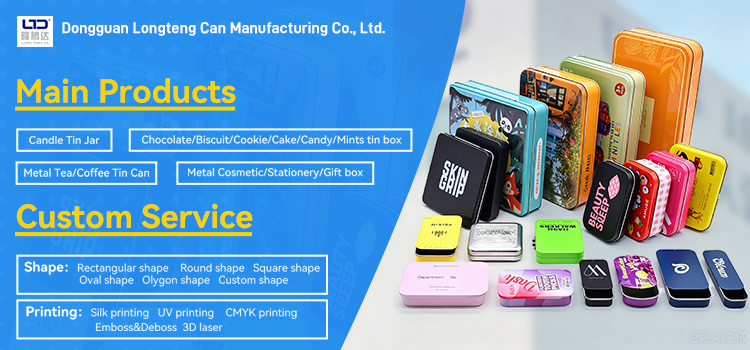
Every product starts with certified food-grade tinplate. Here's the range we produce:
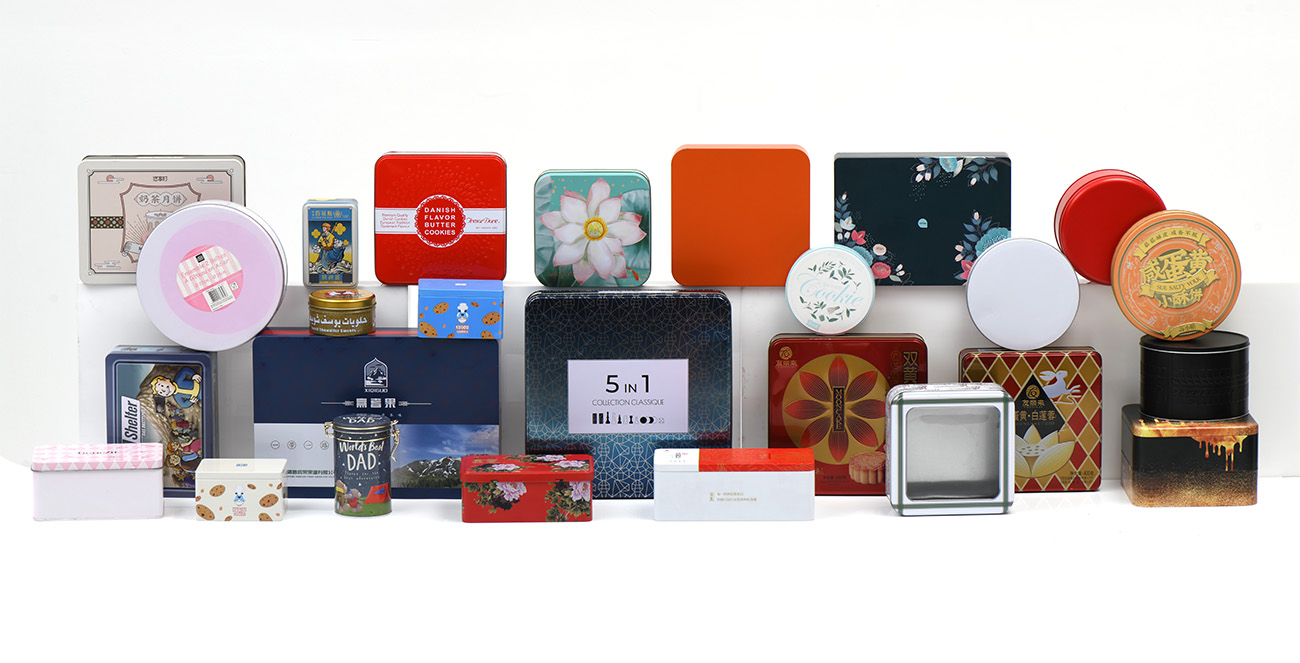
Cookie tins & biscuit tins — round, rectangular, square, custom
Tea tins, coffee tins, matcha tins, spice tins
Chocolate tins, candy tins, mint tins, popcorn tins
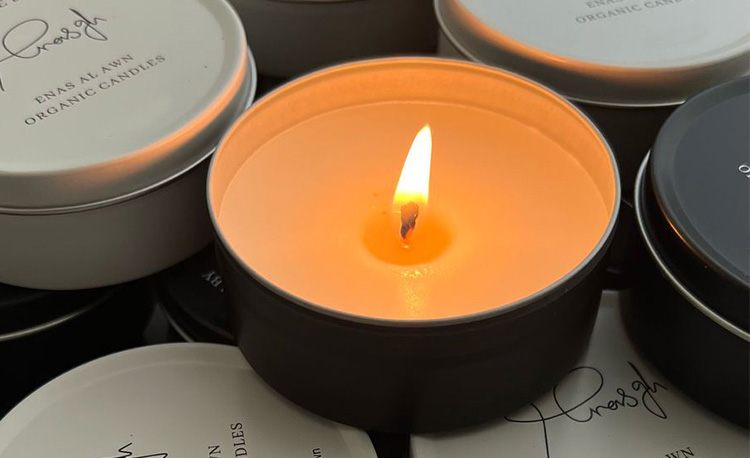
Candle tins — heat-resistant, A-grade tinplate
Gift tin boxes — hinged, press-on, screw-top
Sliding tin boxes — mints, solid perfume, jewelry
Child-resistant tin boxes — cannabis, medication
Cosmetic tins, solid perfume tins, skincare tins
Tin piggy banks, pencil tin boxes, card holders
Decorative metal tins — embossed, gold stamp, spot UV
Round metal tins, cylindrical tins, oval tins
Offset printed tins, UV printed, screen printed
Tin is element 50 — soft, non-toxic, corrosion-resistant. Almost always used as a coating on steel (tinplate) or in alloys like bronze, solder, and pewter.
The metal tin boxes, tin cans, and tin containers you encounter every day are tinplate — steel with a thin tin surface that makes the whole thing food-safe, rust-resistant, magnetic, and printable.
A combination that's been working for over 200 years. And there's a reason it hasn't been replaced.
How to Gift Wrap a Tin
How Long Do Biscuits Last in a Tin
Related Article