What Is a Tin Box
What Is a Tin Box?
More to It Than the Name Suggests
Ask most people what a tin box is and they'll point at a cookie tin or a mint container. And they're not wrong — but that answer barely scratches the surface. Tin boxes show up in more corners of daily life than most people notice. And yet most people couldn't tell you what the thing is actually made of, how it's built, or why it holds up the way it does.
Let's fix that.

What a Tin Box Is Actually Made Of
First thing to clear up: a tin box isn't made of pure tin.
That combination — steel core, tin skin — is what makes the material so practical. It's rigid enough to hold its shape under pressure, light enough to be portable, and durable enough to last years without degrading.
When people say "tin box," they're really talking about a tinplate box. The name stuck because tin was the more visible part of the material — but the steel is doing most of the heavy lifting.

How It's Different from Other Metal Packaging
There are a few types of metal packaging out there, and they're not all the same thing.
Tinplate sits in the sweet spot: strong enough to protect what's inside, light enough to be practical, and workable enough to be pressed into almost any form.
The Different Types of Tin Boxes
"Tin box" isn't one thing — it's a whole category. The shapes and structures vary a lot depending on what the box needs to do.
By structure:
-
Sliding tin boxesA tray that slides in and out of a sleeve. Common for mints, solid perfume, and small gifts. Compact, pocketable, tactile.
-
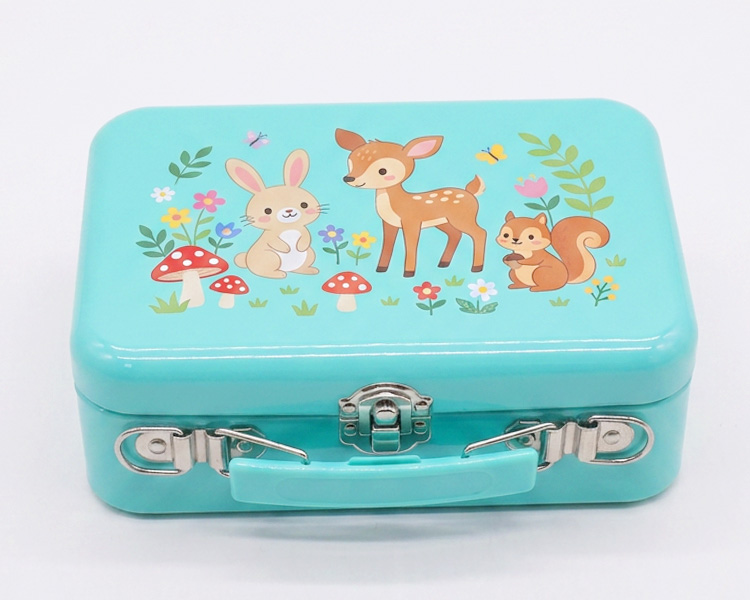
Hinged tin boxesLid attached by a hinge, opens and stays open. Used for gifts, candles, and specialty foods. Feels more premium in the hand.
-
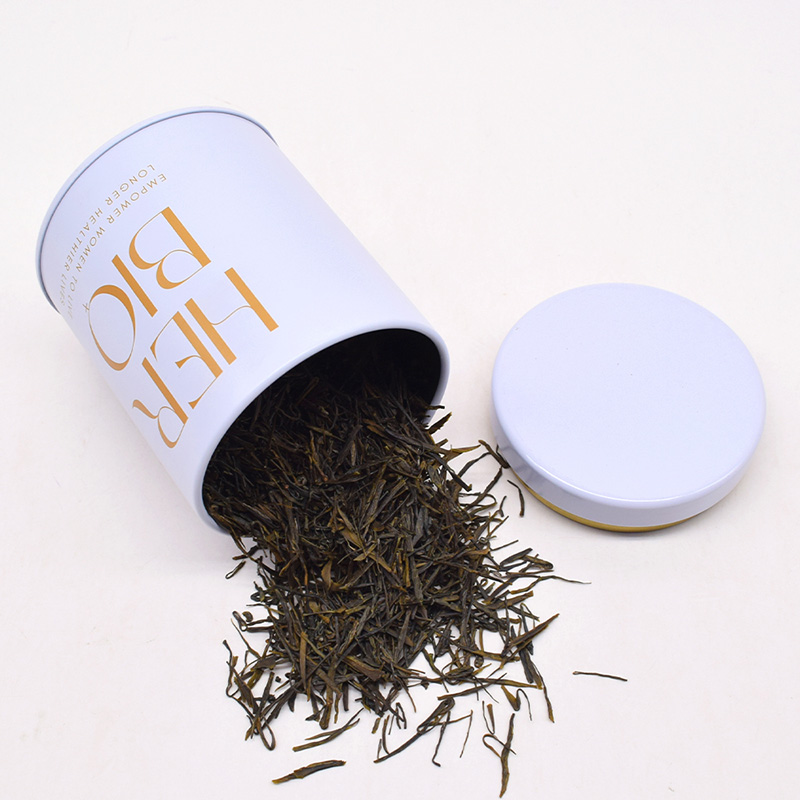
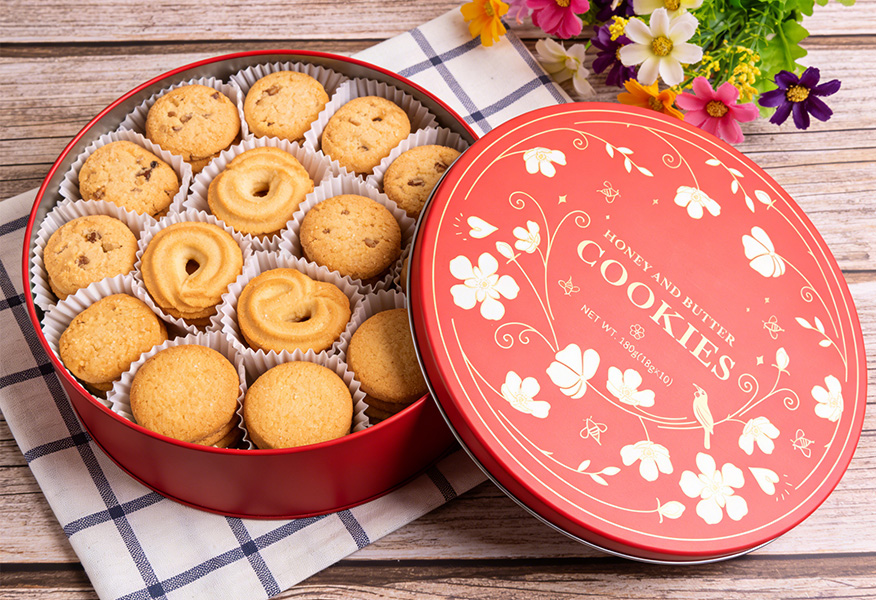
Press-on lid tinsThe classic. Lid presses onto the body with friction. Cookie tins, tea tins, biscuit tins. Simple, reliable, widely used.
-
Screw-top tinsLid threads on. Better seal than press-on. Good for products that need to stay airtight over a longer period.
-
Child-resistant tinsPush-and-turn or squeeze-and-pull mechanism. Required for cannabis, certain medications. The lid is the safety feature.
-
Window tinsA transparent panel lets you see the contents without opening. Common in gift and confectionery packaging.
By shape:
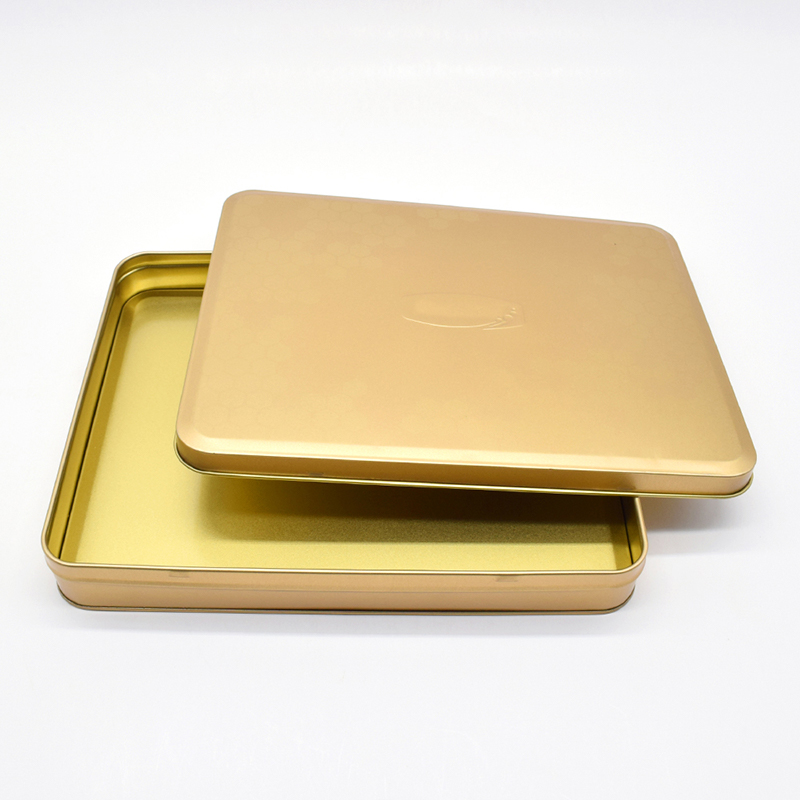
Shape is mostly a branding decision. Round tins photograph well and stack cleanly. Rectangular tins use shelf space efficiently. Heart-shaped tins make a statement. The range is wider than most people expect.
What Makes a Good Tin Box
Not all tin boxes are equal. Here's what separates a well-made one from a cheap one.
-
1Material gauge. Thicker tinplate means a more rigid box — less likely to dent in shipping or deform on a shelf. A tin that bends when you press the sides isn't protecting much.
-
2Lid fit. Should close with a satisfying snap and stay closed under normal handling. Too loose and it's not sealing. Too tight and customers won't want to open it again.
-
3Interior coating. Any tin holding food needs a food-grade interior coating that doesn't react with the contents or impart taste or smell. This is the baseline for food packaging, not a bonus.
-
4Print quality. Printing on tinplate goes on before the metal is formed into a box — applied to a flat sheet, then pressed into shape. Good printing means colors stay true and surface finishes hold up over time.
-
5Seam quality. Where the metal joins, the seam should be clean and tight. Poor seams are where rust starts and where structural integrity fails.
Why Tin Boxes Are Still Around
Cardboard is cheaper. Plastic is lighter. So why are tin boxes still being produced and used at scale? A few reasons that actually hold up.

What We Make at Longteng
We manufacture tin boxes from food-grade tinplate — covering food tins (cookie, tea, coffee, chocolate, biscuit, cake, candy, mint, spice), lifestyle and gift packaging (candle tins, gift boxes, cosmetic tins, solid perfume tins, jewelry tins), and functional packaging (child-resistant tins, cannabis tins, pencil cases, pill boxes, card tins).
Over 2,000 existing molds across shapes and structures — most standard sizes are ready without new tooling. Custom shapes, sizes, and printing available through ODM and OEM. Samples before any bulk commitment.
If you're sourcing tin packaging for the first time, or switching suppliers and want to know what's possible — feel free to reach out directly.
Related Article