Is Tin Safe for food Storage
Is Tin Safe for
Food Storage?
People ask this more often than you'd think — and it's a fair question. The short answer is yes, tinplate is food-safe. But the details matter: it depends on the interior food-grade coating, the quality of the tinplate itself, and what you store inside.
Let's go through the real questions people have about tin and food — the ones that actually matter.
🧪What Is a "Tin Box" Actually Made Of?
Before answering whether tin is food-safe, let's clear up the biggest misconception: most tin boxes are not made of pure tin.
The material is called tinplate — a thin sheet of steel with a very fine layer of tin electroplated onto both surfaces. The steel provides structure. The tin coating does the food-safety work: it prevents rust, creates a non-reactive surface, and keeps the steel from coming into contact with food directly.
- Function: Strength, rigidity, shape
- Food contact: Not directly — coated
- Magnetic: Yes — recyclable by magnet
- Risk alone: Rusts, reacts with acid
- Function: Rust prevention, food safety
- Food contact: Yes — this is the surface
- Toxic? No — non-reactive, non-toxic
- Odor: Neutral — no taste transfer

❓The Real Questions — Answered One by One
In the quantities found in food-grade tinplate, tin is considered non-toxic. It's chemically stable, doesn't readily dissolve into food, and has been used in food packaging for over 200 years. The World Health Organization has reviewed tin in food and set acceptable daily intake levels — which normal food-tin usage sits well under.
This is very different from, say, lead — which is genuinely toxic and was historically used in food packaging before being banned. Tin replaced lead in many applications precisely because it's safer.
Minimally — and usually below levels of concern. Tin can dissolve slightly when in contact with highly acidic foods over long periods. This is why canned tomatoes, canned citrus juice, and other high-acid products often have an additional lacquer coating on the inside of the can — to further reduce any tin migration.
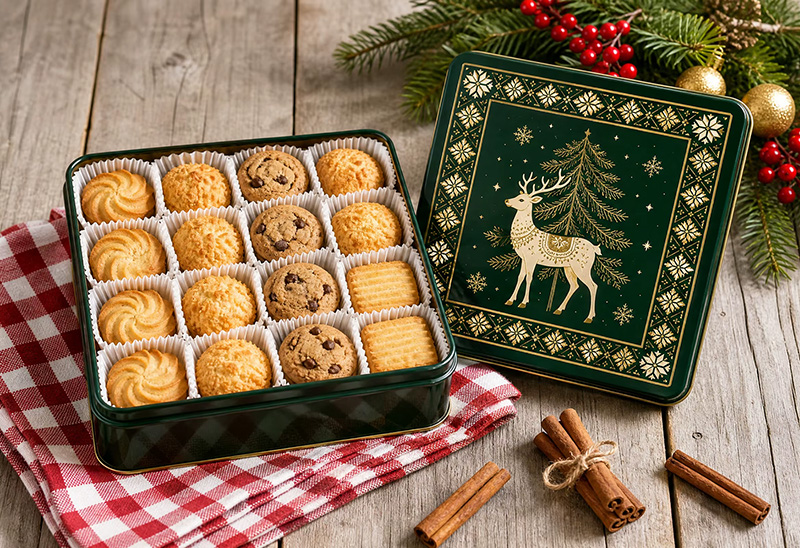
For dry foods — biscuits, cookies, tea, coffee, spices, candy — this isn't a concern at all. The tin surface is essentially inert against dry goods. A biscuit tin, tea tin, cookie tin, coffee tin, or spice tin used for dry food storage doesn't have the conditions that cause tin migration in the first place.
Quality food-grade tinplate has an interior coating — sometimes called a lacquer or enamel lining — that creates an additional barrier between the metal and the food. This coating needs to be food-safe, meaning it's certified not to react with food, transfer flavor, or release harmful compounds under normal use.
At Longteng, every tin we produce for food use — from food-safe tin containers to airtight metal food storage tins, round cookie tins with lids, and rectangular biscuit tins — uses certified food-grade tinplate with compliant interior coatings. The documentation is available.
Yes — for most dry foods. Biscuits, cookies, shortbread, crackers, tea leaves, coffee beans, chocolate, candy, popcorn, spices, nuts — all of these can sit directly in a food-grade tin without any additional liner.
Where you'd want to use a liner: if you're storing something very acidic or high-moisture for extended periods. For a tin box for homemade cookies or a metal tin for loose leaf tea, you don't need one.
For most dry food applications — yes, in several meaningful ways. Metal doesn't absorb odors, so a tin that previously held coffee doesn't make your biscuits taste like coffee. Metal blocks light completely, which slows the breakdown of fats and aromatics. And metal doesn't degrade over time the way plastic does — there's no concern about microplastics or plastic compounds migrating into food.
The airtight metal tin for food storage has a real functional advantage over plastic for products like tea, coffee, and biscuits where freshness and flavor matter.

📅Two Hundred Years of Food-Grade Track Record
One of the most compelling arguments for tin's food safety isn't a lab test — it's history. Tinplate food packaging has been in continuous use since the early 1800s. That's a 200-year track record of use by billions of people with no documented pattern of harm from the material itself.
📌Practical Rules for Using Tin Safely
📦Food-Grade Tin Boxes We Make at Longteng
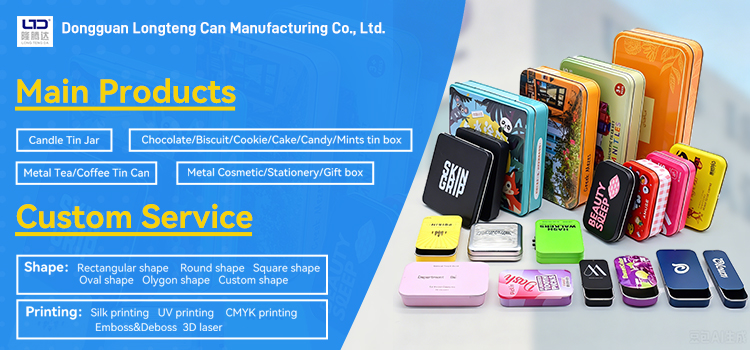
Every tin box we produce is food-grade tinplate with certified interior coatings. Here's the range:
The short answer: yes, tin is safe for food storage — and has been for over 200 years. The material is non-toxic, non-reactive with dry foods, and outperforms plastic on odor neutrality, light blocking, and longevity.
The key is using food-grade certified tinplate. That's the standard we apply at Longteng across every food-contact tin we make — from cookie tins and biscuit tins to tea tins, coffee tins, and spice tins.
If you're sourcing food-grade tin packaging and want to see samples or talk through specifications, reach out directly.
How to Gift Wrap a Tin
Related Article