How Long Does Loose Leaf Tea Last in a Tin
How Long Does Loose Leaf Tea Last in a Tin?
Let's Actually Look at the Numbers
Loose leaf tea doesn't expire the way dairy does. What happens instead is slower and more frustrating: it becomes a worse version of itself. The aroma fades, the flavor flattens, the complexity you paid for quietly disappears. So the real question isn't "is it safe?" — it's "is it still worth drinking?"
The Honest Numbers First
Properly stored loose leaf tea in a well-sealed tin will retain its best flavor for:
| Tea Type | Shelf Life (in a good tin) | Longevity |
|---|---|---|
| 🍵 Green Tea | 12 – 18 months from harvest | |
| 🌸 White Tea | 12 – 18 months | |
| 🍂 Oolong Tea | 1 – 2 years (longer if roasted) | |
| 🫖 Black Tea | 2 – 3 years | |
| 🧱 Pu-erh Tea | Indefinitely — improves with age | |
| 🌿 Herbal Tisanes | 1 – 2 years (varies by herb) |
These ranges assume the tea is kept away from the four things that degrade it fastest. Change any one of those variables and the numbers shift — sometimes significantly. A tea that should last two years in a proper tin can become flat and stale in three months sitting in a glass jar on a sunny windowsill.

The Four Things That Kill Tea Flavor
Tea leaves are chemically active. The aromatic compounds responsible for flavor and the catechins responsible for health benefits are all sensitive to the environment around them.
A tin addresses all four: the metal body blocks light completely, the fitted lid limits oxygen exchange and keeps moisture out, and metal conducts temperature changes slowly enough that a well-placed tin holds relatively stable ambient temperature. That's not marketing — it's the physics of the material.

Not All Tins Perform Equally
This is the part that doesn't get said often enough. A thin-walled tin with a loose lid does very little to protect tea. If you can feel air moving through the lid when you press on it, you're not sealing anything — the tea is slowly exchanging air with your kitchen every day.
The relevant variables in a tea tin:
-
Lid fit A press-on lid with genuine friction seal is the baseline. A screw-top with a sealing mechanism is better. A hinged lid with a gasket is better still. The tighter the seal, the less oxygen exchange per day — and the longer the tea holds its character.
-
Wall thickness Thicker tinplate means more structural rigidity, fewer micro-gaps at seams, and better insulation against temperature swings. A tin that dents when you press the sides isn't protecting much.
-
Interior coating Any tin holding food — including tea — needs a food-grade, odor-neutral interior coating. A tin that imparts a metallic taste to your tea isn't a storage solution; it's a problem.
-
Full opacity All-metal construction means no light reaches the leaves. Any transparent window or thin wall that light passes through compromises this from day one.
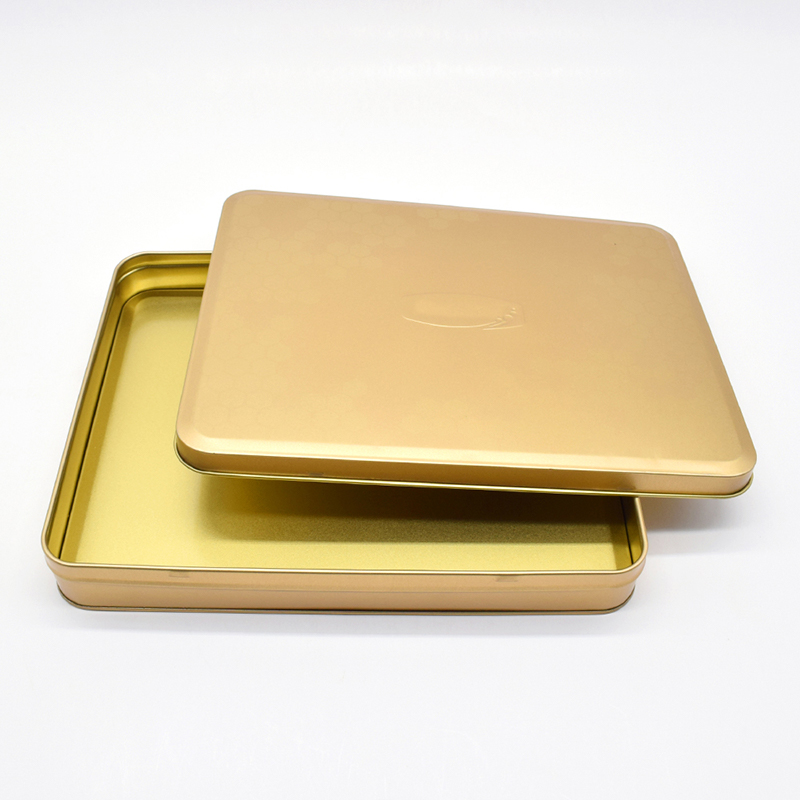
At Longteng, the tea tins we make are produced from food-grade tinplate with moisture-resistant construction, properly fitted lids, and food-safe interior coatings. Built for the job — not adapted from a decorative container that happens to have a lid.

What This Looks Like in Practice
Say you buy 100g of a good single-origin Darjeeling — a specific harvest date, a distinct muscatel note, a price that reflects both. Where you store it determines how long you actually get to taste what you paid for:
The difference between the first and last option, for a tea worth drinking, is the difference between six months of good flavor and two years of it. That math matters when you've paid for something worth tasting properly.
A Few Practical Rules Worth Knowing
-
1Keep tea away from strong-smelling foods and spices. Tea absorbs odor more readily than most people realize. A tin sitting next to a jar of cumin in the cabinet will pick that up over time — subtly at first, then not subtly at all.
-
2Keep the tin away from the stove and kettle. The steam and heat cycles in a kitchen are exactly what you're trying to isolate the tea from. A shelf across the room — or inside a cabinet — beats a decorative display above the kettle every time.
-
3Don't mix old and new tea in the same tin without cleaning first. The older tea's oils coat the interior and can affect the fresh batch's flavor. A quick wipe-down between fills keeps things clean and honest.
-
4Label the tin with the harvest date, not just the purchase date. Tea ages from the moment it's processed, not from when you bought it. Knowing what you're working with helps you use it at peak rather than discovering it's past its best by accident.

The Tin Is Part of the Tea Experience
There's a reason tea culture in Japan, China, Taiwan, and the UK all developed specific vessel traditions for storage. It wasn't purely aesthetic — the container genuinely affected what ended up in the cup.
A good tea tin does two things: it protects the tea you've already bought, and it signals something about how seriously you take what's in it. That matters at home, and it matters significantly more for tea brands putting their product into packaging that will represent them on a shelf.
Longteng Tea Tins — Built for This
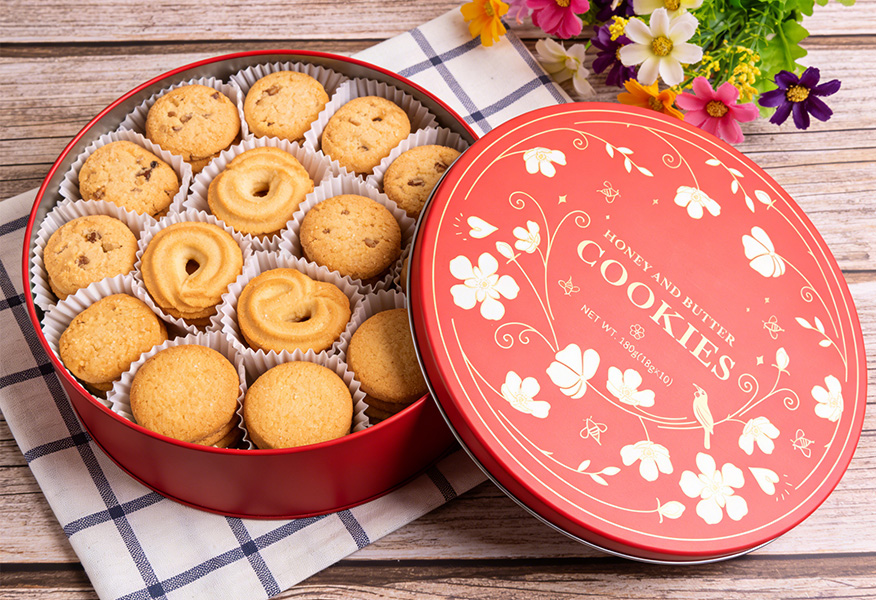
We produce tea tins for brands across Europe, North America, the Middle East, and beyond — in round, rectangular, square, cylindrical, and custom shapes. Food-grade construction throughout, lid options from press-on to screw-top depending on sealing requirements, full custom printing available.
For tea brands and specialty food retailers: packaging built for freshness, not just appearance — and customized to carry your brand identity all the way to the shelf.
If you're a tea brand, a specialty retailer, or someone building a product that deserves packaging built for the job — feel free to reach out directly. Tell me what you're storing, how much, and what the shelf experience needs to look like. I'll give you a straight answer on what makes sense.
What to Do with Old Cookie Tins
Related Article