Are Tin Boxes Recyclable
Are Tin Boxes Recyclable?
Here's What Nobody Actually Tells You
I get this question more than I'd expect. People pick up a pretty cookie tin, a sleek tea canister, or one of those little sliding mint boxes — and then they just… stare at it when it's empty. Can this go in the recycling bin? Or does it go straight to trash?
Let's settle this properly. No fluff, no greenwashing speech. Just the real facts.

First, What Even Is a "Tin Box"?
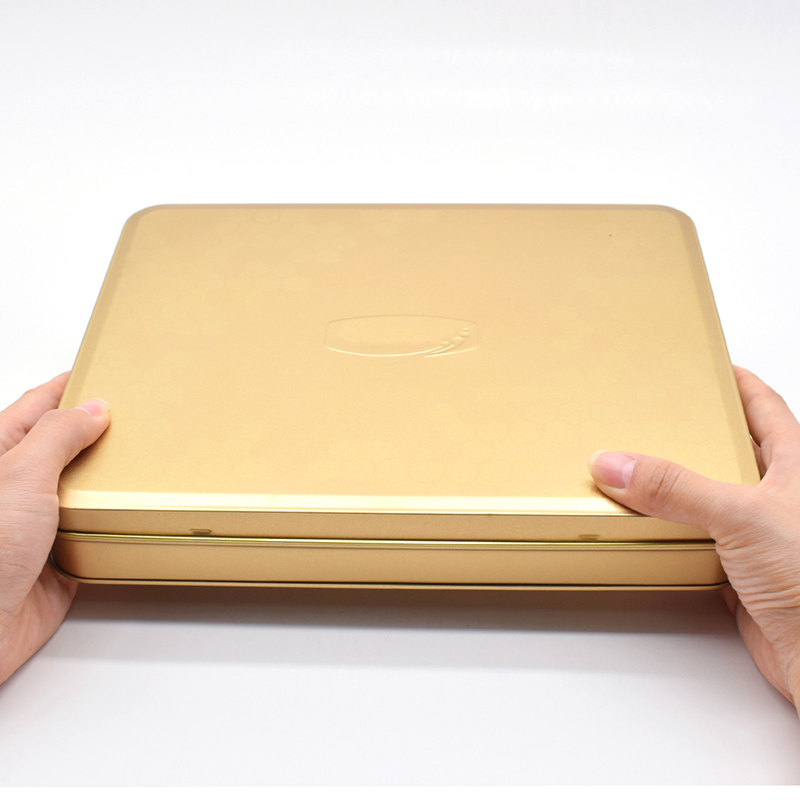
Let's be clear about one thing from the start: most tin boxes aren't actually made of tin — at least, not pure tin. The material is tinplate, which is a thin sheet of steel coated with a very fine layer of tin on both surfaces. This combo gives the metal its corrosion resistance, food-safety properties, and that signature smooth finish you see on everything from cookie tins to candle cans.
At Longteng, every box we make — whether it's a round cookie tin, a hinged gift box, a child-resistant cannabis tin, or a cylindrical coffee canister — is produced from food-grade tinplate. The coating is thin, the steel base is solid, and the whole structure is metal through and through.
Why does this matter for recycling? Because metal is one of the few materials on earth that can be recycled indefinitely without losing quality.

So, Are Tin Boxes Recyclable? Yes. But Here's the Catch.
The short answer: yes, tin boxes are absolutely recyclable.
Steel (the main material in tinplate) is the most recycled material in the world. According to the World Steel Association, steel has a global recycling rate that outperforms plastic, glass, and most other packaging materials by a significant margin. The thin tin layer on the surface? It gets separated and recovered during the smelting process — nothing gets wasted.
But here's the part most people skip over:
A tin box can be 100% recyclable, but if you toss it in the wrong bin, contaminate it, or live somewhere without the right collection infrastructure — it still ends up in a landfill. So knowing how to recycle matters just as much as knowing that you can.
How to Recycle Tin Boxes the Right Way
-
1Empty and rinse it out
Before recycling any food-grade tin — a cookie tin, a tea canister, a spice tin — make sure it's clean. Leftover food residue can contaminate entire batches of recyclables at the sorting facility. A quick rinse is all it takes.
-
2Remove non-metal parts
Some tin boxes have features like a foam insert, a velvet lining (common in our jewelry tins), a plastic window panel, or a rubber seal. These parts need to be separated before recycling the tin shell. The metal body goes in the metal recycling stream. The inserts and liners go wherever your local facility directs.
-
3Check your local recycling rules
Most curbside programs in the US, Europe, and other major markets accept metal tins. But guidelines vary by location. Some cities want lids on, some want them off. Some accept tins mixed with cans, others have separate collection. When in doubt, check your local waste management website — it takes two minutes.
-
4Flatten if needed, but don't crush into an unrecognizable shape
Some recycling facilities ask you to flatten large tin containers to save space. Others prefer them intact so sorting machinery can identify them correctly. Again — local rules apply.
The Reuse Angle (And Why It's Actually Better Than Recycling)
Here's my honest take: the best environmental choice isn't recycling. It's reuse.
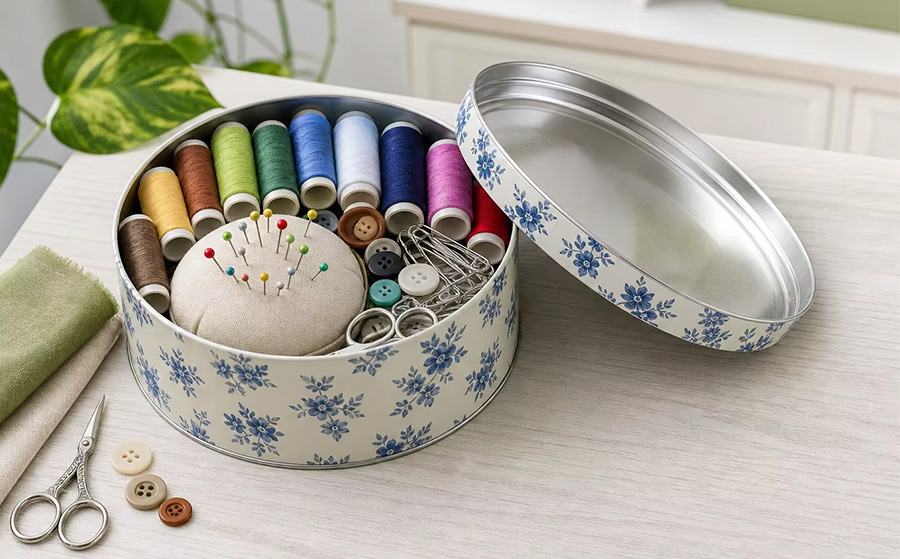
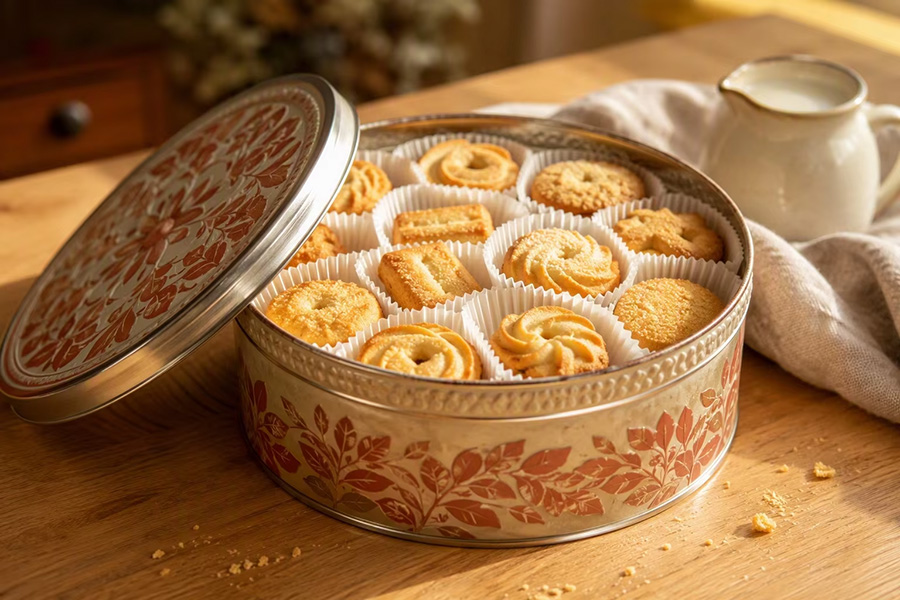
Recycling still requires energy — melting, reforming, transporting. Reusing a tin box skips all of that entirely. And tin boxes are genuinely built for reuse. They're durable, airtight, moisture-resistant, and don't absorb odors or flavors. That's exactly why we design them the way we do.
Think about it:
What About the Ink and Coatings? Is the Printing Safe to Recycle?
This is the sharp question that most people don't think to ask.
Tinplate products go through offset printing, UV printing, or screen printing — depending on the design. At Longteng, we use food-grade coatings and printing processes that comply with international standards. The inks and varnishes applied to the surface are designed to be safe in food contact scenarios, which also means they're compatible with standard metal recycling streams.
During the smelting and refining process, surface coatings burn off at high temperatures before the metal is reformed. This is standard practice in tinplate recycling and has been for decades. So the printing on your tea tin or chocolate box doesn't disqualify it from the recycling stream.
Why This Matters for Brands and Businesses
If you're a brand sourcing packaging — this section is for you.
When a customer buys your product in a tin box and can genuinely recycle or reuse that tin after the product is gone, it becomes part of your brand story in a good way. It's not just packaging; it's a statement about how you think about materials and waste.
Yes, tin boxes are recyclable. Properly and indefinitely.
But the smarter play is to design — and choose — tin packaging that people actually want to keep.
Because a tin that never gets thrown away never needs to be recycled in the first place.
If you're curious about our products, want to talk through a custom packaging project, or just have more questions — feel free to reach out directly.
How to Make A Tin Box?
Why Premium Custom Tin Can Packaging is the Sustainable Choice
Related Article