
Airtight packaging is gaining traction across the global spice market as both home cooks and retail buyers demand products that preserve aroma, deliver a refined appearance, and communicate long-term value. As spices continue to shift from basic kitchen ingredients to lifestyle items, the role of packaging evolves at the same pace. This change pushes airtight spice tin cans to the center of modern premium branding. Their sealed structure, long-lasting freshness retention, and polished metal aesthetics help them bridge home use and retail presentation. Consequently, these cans now define how spice brands express exclusivity and quality.
The Rise of Premium Spice Consumption
Consumers have become more selective about spices as global culinary culture expands. More people now cook with imported peppercorns, smoked paprika, or organic herbs, and they expect packaging to protect these items with care. Therefore, airtight tin cans for spices stand out because they retain flavor more effectively than porous paper or thin plastic. Additionally, metal packaging aligns with the desire for luxury and longevity.
This growing appreciation for gourmet ingredients encourages a shift from disposable packaging toward reusable containers. As a result, metal spice tins move from kitchen cupboards to retail display shelves, serving functional and aesthetic purposes. Their premium feel encourages buyers to associate the product with higher value, even before they taste the spice inside.
Why Aroma Preservation Drives Packaging Choices
A spice’s aroma reflects its freshness and quality. When herbs or powders lose scent, they also lose potency. Therefore, packaging must protect volatile oils that give spices their unique profile. Airtight tin cans for spices create a sealed environment that stabilizes these oils. The tight lid prevents air intrusion, which slows oxidation. Moreover, the metal body blocks light exposure, further preventing degradation.
These characteristics allow spices to maintain stronger color, fragrance, and flavor. Many cooks notice the difference when they open a tin compared to a plastic jar. This sensory experience influences brand loyalty, and retail buyers support packaging that consistently delivers this effect. Consequently, aroma protection becomes a core driver behind the shift to sealed metal tins.
Transitioning From Kitchen Utility to Retail Luxury
Originally, metal spice tins gained popularity in home kitchens due to their durability. However, they soon attracted attention from retail sectors looking for packaging that stands out on shelves. Their smooth surface accepts advanced printing techniques such as matte varnish, embossing, and metallic inks. These enhancements allow brands to communicate quality through premium finishes.
Furthermore, airtight tin cans for spices support structured product displays. Unlike flexible bags, they stand upright and maintain shape. Retailers benefit because tidy and uniform packaging improves shelf organization and visual appeal. As competition increases, brands rely on these advantages to attract customers more effectively.
Aesthetic Value Enhances Brand Identity
Luxurious packaging plays a crucial role in shaping brand perception. Metal spice tins introduce a tactile experience that feels deliberate and sophisticated. The weight of the can, the crisp click of the lid, and the matte metal texture contribute to a sense of refinement. These details help brands differentiate themselves in crowded markets.
Designers can also use the can’s surface to reinforce storytelling. For example, vintage-style tins suit traditional spice blends, while modern minimalist tins fit organic or clean-label products. This flexibility allows airtight spice tin packaging to suit diverse brand identities while maintaining a consistently premium impression.
Durability Supports Reuse and Sustainability Goals
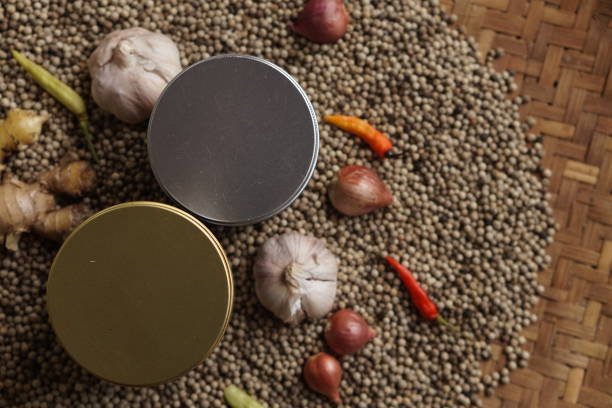
Sustainability increasingly influences purchasing decisions. Many consumers prefer packaging that can be reused rather than thrown away. Metal tins satisfy this desire because they last longer than paper or plastic. After the spice is used, the customer often repurposes the container for storing tea, herbs, or small accessories.
This extended product life improves brand visibility because consumers continue to interact with the container over time. Additionally, metal is recyclable, aligning with long-term environmental goals. Consequently, airtight tin cans for spices satisfy sustainability-driven demands without sacrificing luxury.
Ensuring Safety Through Airtight Structure
Food safety contributes significantly to packaging decisions. Spices can absorb moisture easily, which may cause clumping or loss of freshness. Airtight cans prevent humidity from entering. The sealed lid also blocks dust, insects, and contaminants. This level of protection is particularly important for spices sold in humid climates or transported over long distances.
Modern tin can designs often include inner seals or pressure-fitted lids that assure customers the product has not been opened. This feature increases trust and enhances the perception of quality. Moreover, the sturdy metal body shields spices from accidental impact during shipping, reducing waste and improving supply chain efficiency.
The Role of Functional Design in User Experience
Consumers value packaging that enhances convenience. Airtight tin cans for spices support this trend through thoughtful functional features. Smooth-glide lids allow easy opening while maintaining tight sealing when closed. Some cans include sifter tops for shaking powdered spices. Others use deep lids that prevent spills when scooping larger ingredients.
These design choices influence daily usability. When a container opens smoothly, stays clean, and closes firmly, the consumer feels satisfied. This positive experience encourages repeat purchases and strengthens the brand relationship over time.
Customization Expands Creative Possibilities
Custom tin cans allow brands to tailor packaging to specific marketing goals. This customization may include different shapes, embossing patterns, or specialty coatings. For premium collections, manufacturers can add textured surfaces or foil stamping. These embellishments help elevate the retail presence of spice products.
Because the tin body offers structural stability, customization does not compromise durability. Instead, it allows brands to combine protection with personality. The result is packaging that communicates quality while meeting technical performance demands.
How Tin Cans Support High-End Retail Strategies
Retail markets rely heavily on visual engagement. Therefore, packaging must attract attention in a matter of seconds. Airtight tin cans for spices excel in this regard. Their metallic sheen catches light, drawing eyes toward the product. Their clean lines create a cohesive presentation that enhances brand professionalism.
Premium packaging can also justify higher price points because customers associate metal containers with lasting quality. Retailers benefit because higher margins improve profitability. Thus, airtight tins help elevate spices from everyday goods to luxury items worthy of gift sets, seasonal collections, and specialty displays.
Consistency Builds Consumer Trust
Consistency contributes to long-term brand value. Packaging must remain stable throughout production, transport, and storage. Tin cans fulfill this requirement because they resist deformation and protect internal contents. Their predictable performance assures consumers that each purchase will have the same quality experience.
Furthermore, the transparent consistency of airtight sealing reinforces customer confidence. When a product delivers reliable freshness, customers trust the brand and return for future purchases. The packaging becomes a silent but powerful brand ambassador.
Market Trends Drive Metal Packaging Adoption
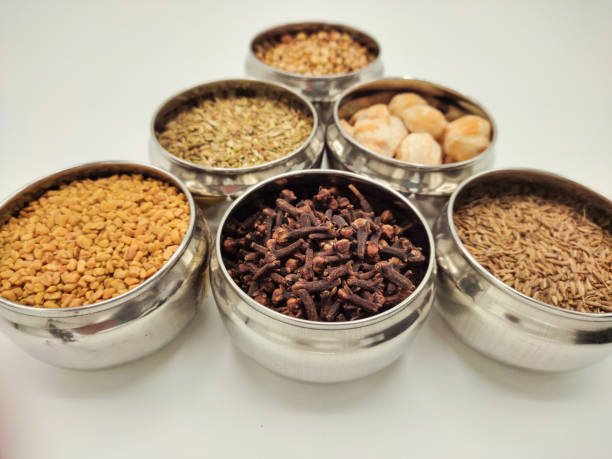
Several market forces accelerate the adoption of airtight spice tin cans:
— Growing preference for premium goods
— Increased focus on gourmet cooking
— Rising demand for sustainable packaging
— Need for better product protection during global shipping
— Desire for long-lasting reusable containers
These trends show that the shift toward metal spice packaging is not temporary. Instead, it reflects evolving consumer expectations that prioritize quality, presentation, and sustainability.
Airtight Tins Strengthen Shelf Life Claims
Spice packaging must support shelf-life claims that meet regulatory requirements. Because airtight tins block air and light, they help maintain stable product quality over time. This stability allows brands to offer a longer shelf life without the use of chemical preservatives.
Furthermore, the packaging provides strong evidence for product quality, which is crucial for export markets. Retailers often prefer packaging that visibly demonstrates its protective capacity, and metal tins accomplish this through their sturdy sealed construction.
Balancing Traditional Craftsmanship With Modern Production
Tin packaging combines heritage aesthetics with modern engineering. Historically, metal containers protected valuable goods such as tea and tobacco. Today, advanced manufacturing allows these containers to maintain that traditional elegance while improving sealing precision.
Brands that use airtight spice tin cans benefit from this blend of old and new. The packaging honors craftsmanship while supporting efficient mass production. This balance resonates strongly with premium consumers who appreciate authenticity.
How Luxury Packaging Shapes Consumer Perception
Luxury packaging influences customers before they interact with the product itself. The weight, texture, and visual polish of tin cans stimulate emotional responses. These sensory cues increase perceived value and motivate purchasing decisions.
When consumers view spice products in airtight tins, they often assume the contents are fresher or higher quality. This perception strongly influences retail competitiveness. Consequently, brands adopt metal packaging not only for protection but also for strategic market positioning.
The Structural Integrity Supports Long-Term Use
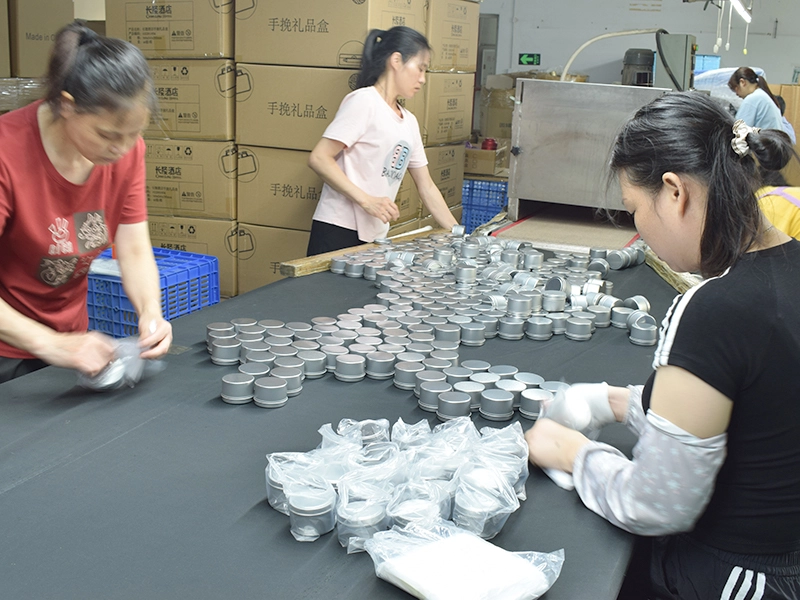
Tin cans offer structural benefits that surpass paper or plastic alternatives. They maintain shape under pressure and resist cracking. Additionally, they provide superior stacking capability in retail displays and storage facilities. These features help prevent product damage across logistics channels.
Long-term structural integrity also contributes to the product’s premium feel. Consumers often equate strong packaging with careful product handling and higher-grade ingredients.
Conclusion: Why Airtight Tin Cans Lead the Next Packaging Wave
Airtight spice tin cans continue to shape modern packaging trends due to their unique blend of protection, aesthetics, and sustainability. They preserve aroma, extend shelf life, support advanced design, and strengthen retail impact. Through these advantages, they transform spices from simple kitchen staples into premium products worthy of display.
Their rise reflects a broader shift toward luxury presentation, healthier ingredients, and long-lasting packaging. Therefore, airtight tins will remain a defining feature in premium spice branding as consumer preferences evolve and markets grow more sophisticated.