
Seasonal promotions rely heavily on visual appeal and consumer engagement. Packaging plays a critical role in influencing purchase decisions. Promotional tin packaging containers provide durability, versatility, and branding potential. Their shape impacts shelf presence, usability, and perceived value. Selecting the right form ensures maximum promotional impact while enhancing customer satisfaction. Seasonal campaigns, such as holidays or limited editions, particularly benefit from creative tin shapes. Consequently, businesses increasingly focus on packaging design as a strategic marketing tool.
The Role of Shape in Promotional Tin Packaging
The shape of a tin container influences both aesthetics and functionality. Rectangular tins offer stability and stacking ease, making them suitable for retail displays. Cylindrical tins provide a sleek appearance and uniform branding surfaces. Unique forms, such as heart-shaped or star-shaped tins, attract attention immediately. Customers associate distinctive shapes with premium or limited-edition products. Therefore, shape selection combines practical considerations with marketing objectives.
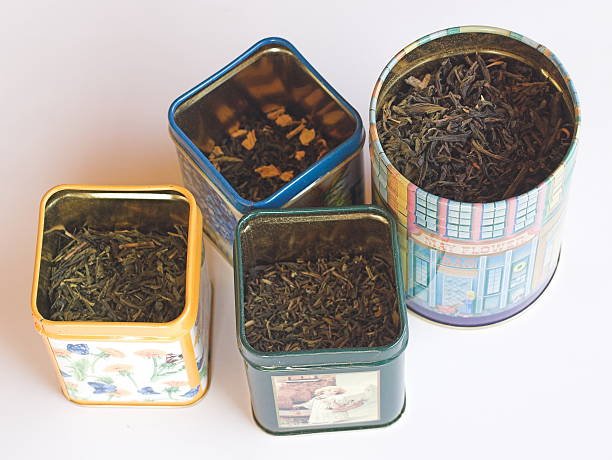
Additionally, the chosen shape must align with the product type. Food items, cosmetics, and gift sets often have specific requirements. Chocolates fit naturally in rectangular or oval tins. Tea leaves and spices are often use cylindrical containers. Seasonal novelty items, such as ornaments, benefit from creative, non-traditional forms. By matching product characteristics with container shape, brands optimize consumer perception and usability simultaneously.
Rectangular Tin Containers: Stability and Branding
Rectangular promotional tin packaging containers remain a classic choice for many campaigns. They are efficient for stacking and shelf display. Their flat surfaces provide ideal space for labels, logos, or seasonal graphics. During holiday seasons, rectangular tins can be arranged in uniform patterns to create eye-catching displays. Furthermore, their edges facilitate safe transport and storage. Rectangular tins suit gift sets or food assortments that benefit from compartmentalization. Therefore, these shapes balance practical storage with strong visual impact.
The rectangular form also supports multi-tiered packaging. Nested layers inside a larger tin allow for multiple items to be presented elegantly. This approach enhances the perceived value while maintaining compact storage. Marketing messages can be printed directly on the exterior or integrated as inserts inside the container. Consequently, rectangular tin containers maximize branding opportunities while remaining functional and durable.
Cylindrical Tin Packaging: Elegance and Versatility
Cylindrical tins offer smooth lines and continuous branding surfaces. Their uniform curvature creates a premium feel that appeals to consumers during holiday seasons. Round tins are particularly effective for edible products such as cookies, candies, or nuts. The circular shape prevents sharp edges, improving safety during handling. Cylindrical tins also provide efficient volume utilization and uniform weight distribution. Therefore, they enhance both aesthetic appeal and practical usability.
Moreover, cylindrical tins can accommodate decorative lids, embossed logos, or seasonal motifs. This allows brands to deliver memorable unboxing experiences. The smooth surface also supports wrap-around printing, giving designers flexibility for storytelling. Cylindrical tins are compatible with various insert trays or partitioned interiors, further enhancing product presentation. Consequently, these containers combine elegance, flexibility, and durability for high-impact seasonal promotions.
Unique and Novel Shapes: Capturing Attention Quickly
Non-traditional shapes such as hearts, stars, or snowflakes create immediate visual interest. Seasonal promotions benefit particularly from themed tins. For Valentine’s Day, heart-shaped tins emphasize romance and gift-giving. For Christmas, star or tree-shaped tins evoke festive moods. These shapes encourage impulse purchases, as customers are drawn to their novelty. Even when priced slightly higher, unique forms increase perceived value.
Creative shapes also support storytelling. Brands can communicate themes visually without excessive labeling. Limited-edition packaging with custom contours conveys exclusivity. Furthermore, unique tins often become collectibles, extending their lifecycle beyond the promotion. Customers retain these containers, reinforcing brand presence and loyalty. Therefore, novelty shapes are ideal for campaigns targeting emotional engagement and brand memorability.
Oval and Rounded Rectangles: Balancing Space and Style
Oval tins provide a compromise between rectangular and cylindrical forms. They retain flat labeling surfaces while softening corners for visual appeal. Rounded rectangles suit gift sets that include multiple items. Their ergonomics make them easy to handle, stack, and carry. Additionally, the shape maintains space efficiency while offering distinctive contours.
These tins also support layered interiors for assortments. Chocolates, candles, or small toys can be arranged to enhance presentation. Oval tins are ideal for gifting because they offer elegance without extreme complexity. Therefore, these forms support both aesthetics and practical marketing considerations.

Mini and Stackable Tin Designs: Convenience Meets Creativity
Small tins encourage sampling or promotional giveaways. Miniature shapes, such as square, circular, or hexagonal, create opportunities for collectors’ editions. Stackable tins improve storage and display efficiency. Retailers benefit from a compact arrangement while customers enjoy organization. During seasonal campaigns, stackable tins can form visually striking arrangements. This combination of size and shape increases visibility and promotional impact.
Stackable designs also allow creative customization. Brands can layer product assortments or rotate seasonal motifs on each tier. Consumers often perceive these as thoughtful gifts rather than disposable packaging. Consequently, mini and stackable tins enhance brand engagement and increase repeat exposure.
Material and Functional Considerations Related to Shape
The choice of tin material complements the selected shape. High-quality, food-grade steel or aluminum ensures durability, especially for intricate forms. Thicker materials support embossed or debossed details without warping. Conversely, lightweight metals are preferable for large cylindrical tins to maintain manageability.
Shape also influences closure mechanisms. Rectangular tins often use hinged or sliding lids. Cylindrical and oval forms favor snug-fitting lids for airtight sealing. Proper lid design ensures product safety, freshness, and usability. Seasonal promotions often feature custom finishes such as metallic coatings, glitter, or matte textures. Integrating material and shape ensures that aesthetics, protection, and functionality align harmoniously.
Enhancing Branding Through Shape Selection
The chosen tin shape directly affects brand perception. Rectangular and cylindrical forms convey stability and sophistication. Novel shapes signal creativity and exclusivity. Oval or rounded designs indicate elegance and ergonomic design. Effective shape selection ensures marketing messages align with the target audience.
Moreover, unique tins increase social sharing potential. Consumers often post photos of visually appealing packaging online. This organic promotion boosts brand awareness during seasonal campaigns. Consequently, shape selection not only supports direct sales but also amplifies marketing reach and brand recall.

Optimizing Seasonal Promotions Through Shape Strategy
Seasonal promotions require thoughtful planning of tin shapes. Brands must consider display impact, handling, unboxing experience, and storage. Rectangular tins excel in bulk retail campaigns. Cylindrical tins suit premium edible items. Unique shapes capture collector interest and emotional engagement. Mini and stackable designs increase flexibility for gifting and cross-selling.
Designers should also integrate lids, colors, and embossing in line with the chosen shape. Coordinating these elements enhances consumer appeal. When all aspects align, promotional tin packaging containers maximize sales and strengthen brand identity.
Sustainability and Reusable Tin Shapes
Sustainable practices increasingly influence consumer decisions. Reusable tin containers extend product life beyond the promotion. Shapes that support storage, display, or repurposing encourage retention. Cylindrical or rectangular tins often serve as storage containers, craft holders, or decorative pieces. Creative shapes also become collectible items, further promoting long-term use.
Sustainable packaging reduces environmental impact while increasing brand value. Customers perceive brands that invest in quality reusable tins as responsible and premium. Consequently, sustainability and functional design go hand-in-hand in modern promotional campaigns.
Conclusion: Strategic Selection of Promotional Tin Shapes
Promotional tin packaging containers provide far more than storage. Their shape directly impacts marketing success, usability, and consumer perception. Rectangular tins excel in stability and shelf presentation. Cylindrical tins enhance elegance and wrap-around branding. Unique shapes generate novelty and emotional connection. Oval and stackable forms balance style, ergonomics, and display potential. Mini tins support sampling, gifting, and collector engagement.
Furthermore, material, closure design, and surface finish complement the chosen shape. Coordinating these factors maximizes seasonal campaign success. Sustainability considerations reinforce brand image and encourage repeat use.
Ultimately, strategic selection of tin shapes transforms simple containers into powerful marketing tools. By aligning form with product type, aesthetics, and consumer expectations, brands achieve superior visibility, engagement, and long-term impact. Promotional tin packaging containers thus become essential assets for successful seasonal campaigns.