
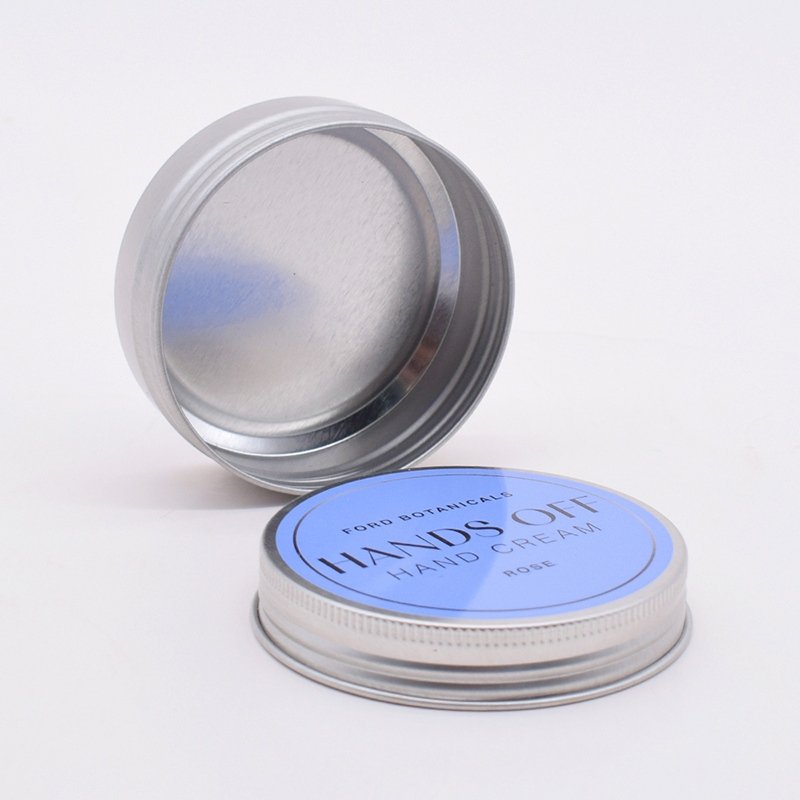
 The beauty industry thrives on constant reinvention. New formulations, innovative formats, and shifting consumer demands shape the competitive landscape. In recent years, solid perfumes have emerged as a compelling alternative to traditional liquid fragrances. Their rise is not only altering fragrance consumption habits but also driving significant demand for specialized packaging. Among the solutions gaining prominence, solid perfume tin packaging has established itself as both a practical and stylish choice. By combining durability, portability, and visual appeal, tin containers reflect broader shifts in beauty consumption patterns.
The Rise of Solid Perfumes in Beauty Trends
Solid perfumes are not a novelty, but their recent surge reflects modern consumer priorities. Busy lifestyles, increasing travel, and a preference for on-the-go solutions have revived interest in compact fragrance forms. Solid perfumes offer convenience without compromising sensory appeal. Unlike liquid fragrances, they resist leakage and can be discreetly reapplied. These qualities align with the needs of urban professionals, frequent travelers, and younger consumers seeking practical luxury. The beauty industry, highly responsive to changing habits, has recognized the opportunity and invested in solid perfume development. Consequently, the choice of packaging has become central to consumer experience and brand differentiation.
Why Tin Packaging Appeals to Modern Consumers
Packaging is no longer a passive container; it shapes perception and utility. For solid perfumes, tin packaging has become synonymous with convenience and elegance. Consumers value tins for their sturdiness, ensuring the product remains intact during travel. The smooth opening and secure closure reinforce trust in product safety. Beyond functionality, tin containers project a tactile charm. They evoke nostalgia while also signaling sustainability, as tins are highly recyclable. This dual role—practical and symbolic—makes tin packaging particularly attractive to modern consumers, balancing indulgence with responsibility.
Sustainability as a Key Market Driver
Environmental awareness is reshaping the beauty industry. Consumers increasingly question the ecological footprint of packaging, particularly in luxury segments. Solid perfume tin packaging offers a solution that aligns with sustainability goals. Tins are reusable, recyclable, and often made from materials with high recovery rates. For eco-conscious consumers, purchasing solid perfumes in tin packaging reflects ethical alignment. Brands, in turn, capitalize on this narrative by highlighting recyclability in marketing campaigns. Sustainability is no longer a peripheral concern but a core factor influencing brand choice and consumer loyalty. Tin packaging positions solid perfumes as indulgences without guilt, thereby enhancing appeal.
Branding and Aesthetic Flexibility
Luxury and beauty brands depend on packaging to communicate identity. Tin packaging offers unmatched flexibility in this regard. Embossing, debossing, custom colors, and intricate designs allow brands to tailor aesthetics to target markets. Minimalist tins suit contemporary brands, emphasizing clean design, while ornate detailing supports heritage narratives. Solid perfume tin packaging becomes an extension of brand storytelling, reinforcing differentiation in a saturated market. Because beauty consumers often purchase based on packaging appeal, tins significantly influence decision-making. They combine compactness with decorative potential, creating collectible items that extend brand visibility beyond the point of sale.
The Role of Portability in Consumer Preference
Modern consumers prioritize convenience. Portability has become a defining feature of many beauty products. Solid perfumes stored in tin packaging meet this demand with ease. They fit seamlessly into handbags, pockets, or travel cases, making them ideal companions for daily routines. Portability also aligns with regulatory restrictions on liquid carry-on products during air travel. In this context, tin-packaged solid perfumes deliver unmatched practicality. The portability advantage reinforces consumer loyalty while positioning solid perfumes as everyday essentials rather than occasional luxuries.
Cross-Sector Influence of Tin Packaging
The appeal of tin packaging is not confined to perfumes. In cosmetics, skincare, and even wellness products, tins have become symbols of durability and charm. Their success in adjacent categories has influenced fragrance packaging strategies. Solid perfume tin packaging benefits from this broader recognition. Consumers already familiar with lip balms or salves in tins are more inclined to embrace perfumes in similar formats. This cross-sector familiarity reduces adoption barriers while reinforcing trust. For the beauty industry, the tin container is both a tested format and a versatile design canvas.
Regional Trends and Market Growth
The popularity of solid perfume tin packaging varies across regions but shows strong global momentum. In Western markets, the appeal lies in minimalism and eco-consciousness. European consumers, in particular, value recyclable materials and artisanal packaging. In Asia, ornate and collectible tin designs resonate with cultural preferences for detail and craftsmanship. Emerging markets, driven by younger demographics, favor affordability and portability. Across all regions, the unifying factor remains the balance of practicality and aesthetics. Brands adopting tin packaging can thus appeal to diverse markets while maintaining a consistent sustainability narrative.
Economic and Strategic Benefits for Brands
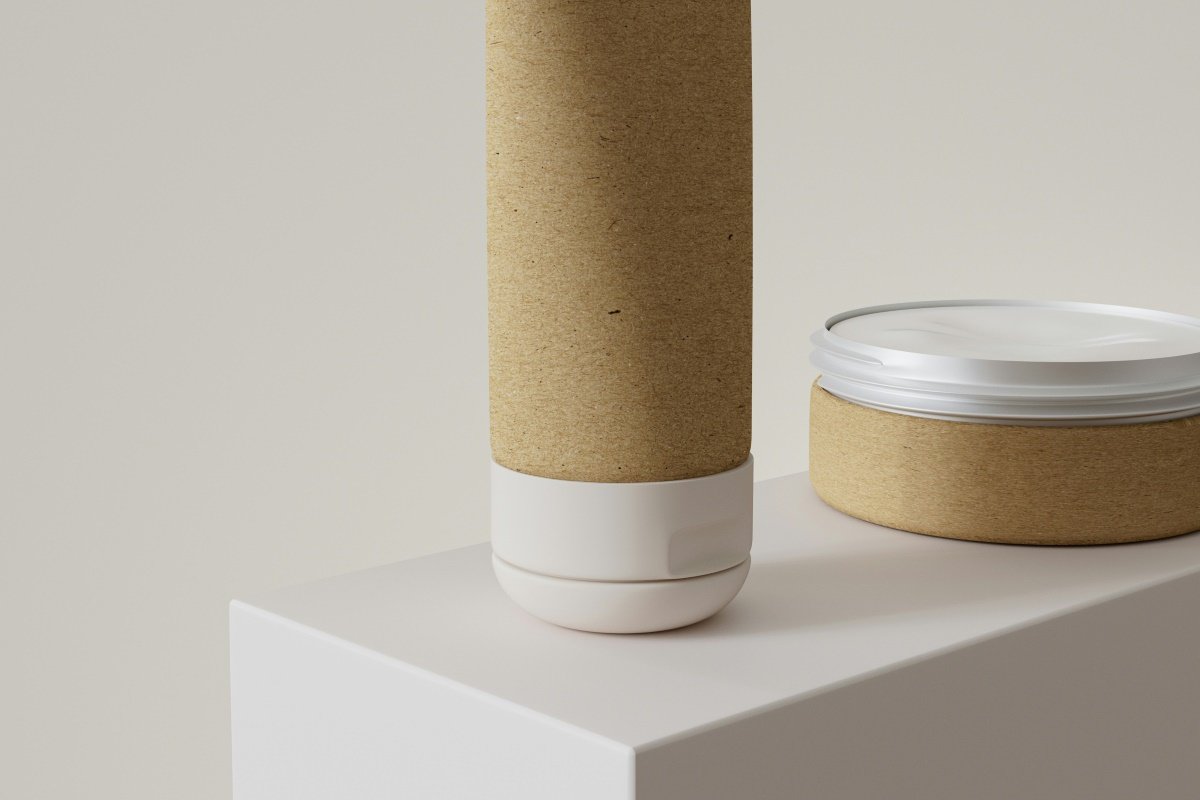
From a business perspective, tin packaging offers multiple advantages. It is cost-effective compared to luxury rigid boxes while still signaling premium quality. Tins also reduce shipping risks, as their durability minimizes damage in transit. Brands benefit from fewer returns and enhanced customer satisfaction. Furthermore, solid perfume tin packaging supports small-batch and seasonal product launches. Limited editions can be easily produced with unique designs, encouraging repeat purchases. This flexibility gives brands strategic agility in responding to trends while controlling production costs.
The Psychology of Collectibility
Luxury consumption often extends beyond utility into the realm of collectibility. Tin packaging naturally supports this behavior. Consumers view beautifully designed tins as keepsakes, sometimes retaining them long after the perfume is used. The tactile durability of tins encourages reuse for storage or decoration. This extended lifecycle increases brand exposure in consumers’ daily lives. For fragrance companies, collectible tin packaging enhances emotional engagement, turning products into lasting symbols of brand affiliation. By merging utility with emotional value, they deepen consumer loyalty and elevate brand positioning.
Innovation and Future Directions
The future of solid perfume tin packaging will integrate both tradition and innovation. Advancements in printing technology will enable more intricate designs, including metallic gradients and holographic effects. Interactive packaging elements, such as QR codes, may connect consumers to digital storytelling. Sustainability innovations will continue, with biodegradable coatings and lighter alloys reducing environmental impact. Despite these advancements, the essence of tin packaging will remain consistent: portability, durability, and aesthetic appeal. As solid perfumes grow within the beauty industry, tins will play an increasingly central role in shaping consumer experience.
Conclusion
The growing popularity of solid perfume tin packaging reflects more than a design choice. It embodies the convergence of consumer psychology, sustainability, and practical demand. By aligning with modern values of portability, eco-responsibility, and aesthetic individuality, tin packaging elevates solid perfumes from simple products to lifestyle accessories. For brands, it provides strategic advantages in cost, differentiation, and consumer engagement. For consumers, it transforms fragrance into an experience that extends beyond scent. As the beauty industry continues to evolve, solid perfume tin packaging will remain a defining force, reinforcing the idea that true luxury resides not only in the fragrance but also in how it is presented and preserved.