
A New Era for Sustainable Packaging
Global environmental policies are reshaping the packaging industry. Stricter regulations on single-use plastics accelerate the shift to eco-friendly alternatives. Among these, food-grade tin boxes are becoming a preferred solution. Their recyclability, safety, and premium aesthetics align with sustainable development goals.
Consumers are now more conscious of packaging waste. As a result, brands seek packaging that ensures safety while minimizing environmental impact. Food-grade tins meet this demand and provide new opportunities for the food and beverage industry.
Why Food-Grade Tin Boxes Are Gaining Popularity
1. Sustainability in Line with Global Regulations
Governments worldwide are tightening environmental standards. Bans on plastic packaging push manufacturers to adopt recyclable materials. Tin offers a fully recyclable solution without compromising durability.
Food-grade tin boxes comply with eco-labeling requirements, making them suitable for global markets. They allow brands to stay competitive while supporting sustainable practices.
2. Safe and Reliable for Food Contact
Food safety remains a priority in packaging. Food-grade tin boxes are manufactured using non-toxic, BPA-free coatings that prevent contamination. These coatings form a protective layer, ensuring that the packaged food remains fresh and safe.
Unlike plastic, tin does not release harmful chemicals under high temperatures. This makes it ideal for packaging baked goods, tea, coffee, candies, and premium snacks.
3. Recyclability Without Quality Loss
One key advantage of tin is its infinite recyclability. Unlike many plastics that degrade after each cycle, tin can be reused without losing strength or quality.
Brands adopting food-grade tin boxes reduce waste and conserve resources. This aligns with the circular economy model, where packaging materials continuously re-enter the production chain.

Design Versatility and Branding Opportunities
1. Premium Aesthetic Appeal
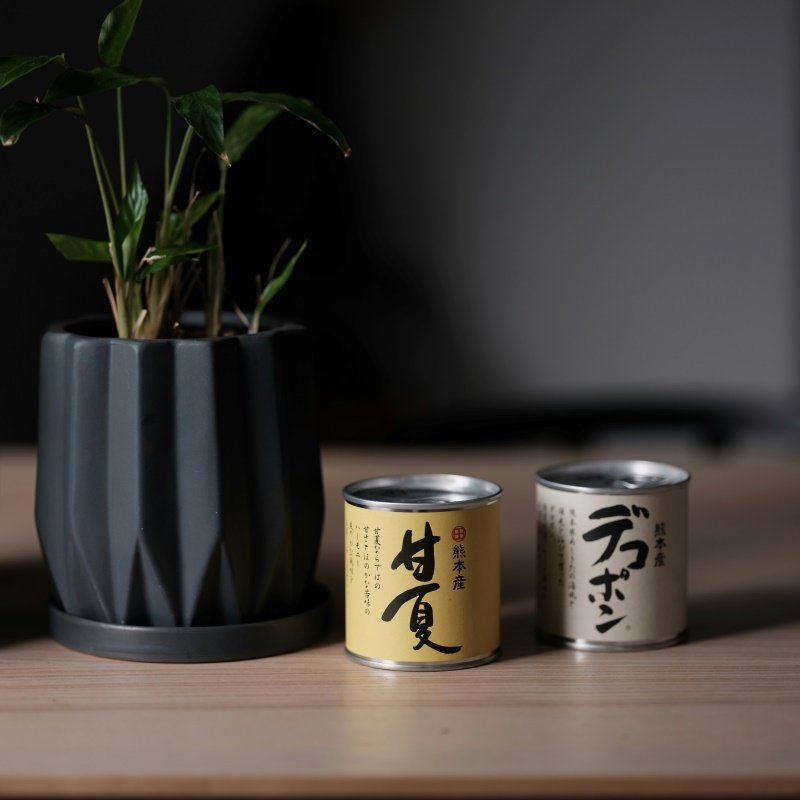
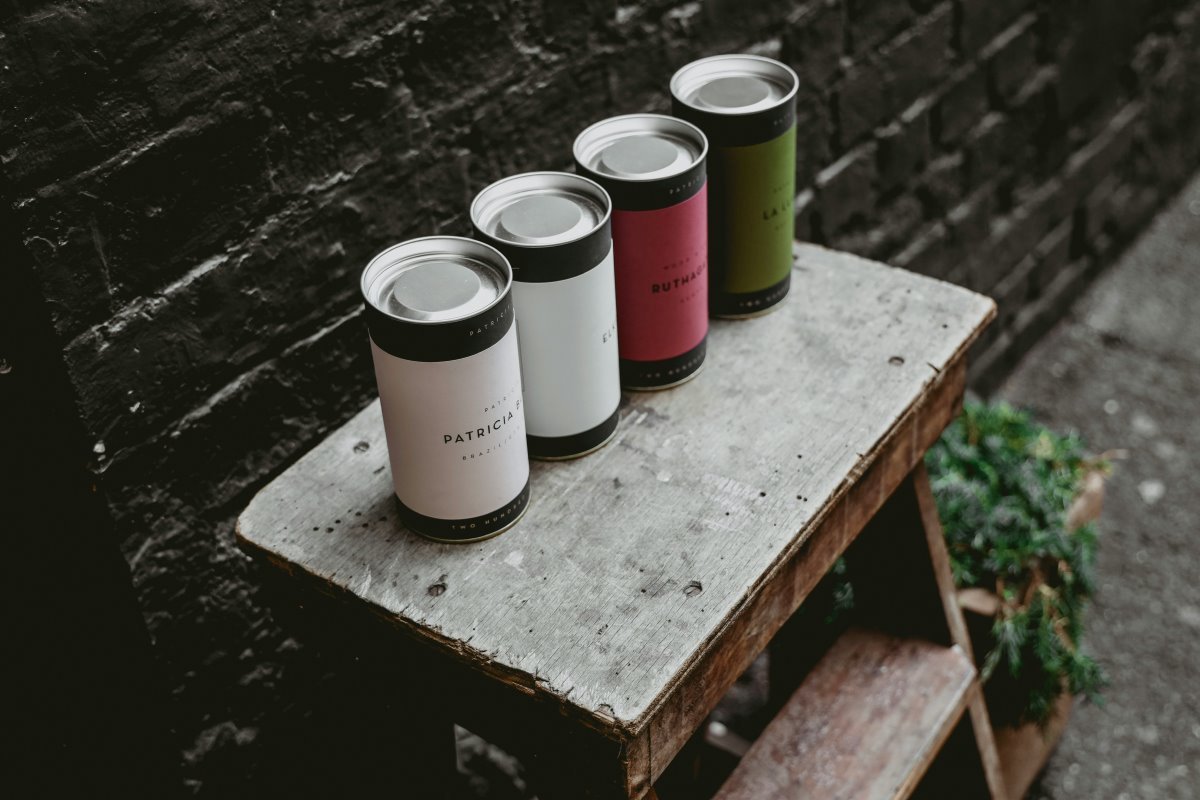
Modern consumers associate tin packaging with quality and sophistication. Smooth finishes, embossing, and customized printing make food-grade tin boxes stand out on shelves.
In sectors like confectionery, tea, and premium snacks, tin packaging enhances perceived product value. A well-designed tin box becomes part of the customer experience.
2. Flexible Shapes and Sizes
Food-grade tin boxes are highly customizable. Manufacturers can create unique forms to suit specific products:
-
Round tins for cookies and biscuits
-
Rectangular tins for chocolates and teas
-
Slim tins for mints and candy
This flexibility allows brands to create a distinct identity while optimizing storage and shipping efficiency.
3. Integration of Smart Packaging Features
Advancements in packaging technology make tin boxes even more versatile. Some manufacturers integrate QR codes, NFC tags, or anti-counterfeiting features. These solutions increase customer engagement and strengthen brand protection.
Meeting Consumer Expectations
Today’s consumers expect packaging to be eco-friendly, functional, and stylish. Food-grade tin boxes meet these expectations by combining sustainability with usability.
Lightweight yet durable, these boxes protect products during transport and storage. Their resealable design maintains freshness, offering a superior consumer experience.
Industry Applications Driving Market Growth
1. Confectionery and Bakery Products
Tin boxes remain the go-to choice for cookies, candies, and chocolates. Their airtight seals preserve freshness while enhancing product presentation.
2. Premium Tea and Coffee Packaging
Tea and coffee brands use food-grade tin boxes to maintain aroma and protect delicate flavors. Tin’s light-blocking properties extend product shelf life naturally.
3. Nutritional Supplements and Healthy Snacks
As health-conscious consumers demand safe packaging, tin’s non-toxic nature makes it an ideal choice for vitamins, protein powders, and organic snacks.
Challenges and Future Outlook
While the benefits are clear, manufacturers must address cost challenges. Food-grade tin box solutions are generally more expensive than plastic alternatives. However, as demand grows and recycling systems improve, costs are expected to decrease.
Looking ahead, innovations in coatings and printing technologies will enhance customization and sustainability. Tin packaging will continue evolving to meet diverse industry needs.
Conclusion: The Future Belongs to Tin
The global shift toward sustainability has accelerated the adoption of food-grade tin boxes. Their recyclability, safety, and premium appeal make them the ideal solution for brands seeking eco-friendly packaging.
As consumer demand for responsible packaging rises, tin boxes will lead the transformation of the food packaging sector. Choosing tin is no longer just an option—it’s a strategic decision for the future.