
Circular packaging is reshaping the nut industry as brands pursue sustainable solutions that reduce waste. Consumers now demand packaging that protects food, supports reuse, and aligns with responsible lifestyles. Therefore, empty gift tins for nuts gain strong momentum as a reliable choice for premium and eco-conscious brands. These tins provide durability, reusability, and full recyclability, while their protective performance keeps nuts fresh during storage and transport. Although many materials compete in the market, food-grade tin cans stand out because they integrate strength, safety, and sustainability in one solution.
As environmental expectations increase, brands must rethink traditional packaging. However, they also need practical materials that perform well under real commercial demands. Tinplate meets these needs with remarkable consistency. Its rigid form protects delicate nuts from pressure, sunlight, and humidity. Meanwhile, its metal barrier extends product life without chemical coatings. Because of these advantages, empty gift tins for nuts support both sustainability goals and high-value branding strategies. Their structure allows companies to adopt circular models while improving customer experience.
Why Circular Packaging Matters Now
The nut category faces strict requirements because nuts oxidize when exposed to air or light. Conventional plastic bags offer basic protection but create large waste volumes. Moreover, they often fail to support reuse. Circular packaging aims to break this pattern by keeping materials in circulation instead of sending them to landfills. Tin cans support this model with long life, stable form, and easy recyclability. Since tinplate retains material quality even after repeated recycling cycles, it becomes ideal for long-term sustainability programs.
Furthermore, consumers increasingly choose nut brands with visible environmental values. Therefore, packaging must reflect these expectations. A reusable tin aligns with modern, responsible habits. Customers often keep these tins for storage, gift use, or decoration. This extended life significantly reduces material waste per product. Additionally, it enhances brand exposure since the tin remains in the customer’s home for months or years.
The Protective Value of Food-Grade Tin Cans
Although sustainability drives many decisions, product safety remains essential. Nut freshness depends on strong barrier protection. Tin cans prevent oxygen intrusion and block UV exposure. They stop physical impact and preserve the nut texture. Through these functions, they keep nuts stable over long periods. Because of this performance, empty gift tins for nuts meet strict shelf-life requirements in both retail and export markets.
Food-grade tinplate also provides neutral taste stability. Nuts with natural oils can absorb odors from surrounding materials. Tin prevents this issue with a non-reactive internal surface. Therefore, flavor integrity stays consistent even after extended storage. This advantage increases commercial value because brands must guarantee that premium nuts retain their original aroma and crunch.
Reusable Designs Strengthen Circular Benefits
Circular packaging must support repeated use to deliver real environmental value. Tin cans excel in this area because their structure remains intact after long-term handling. Consequently, consumers reuse them as kitchen containers, decorative jars, or seasonal gift boxes. Every reuse delays the recycling stage and lowers the lifecycle impact. Because tins maintain durability even after many uses, they create a sustainable loop that benefits both brands and the environment.
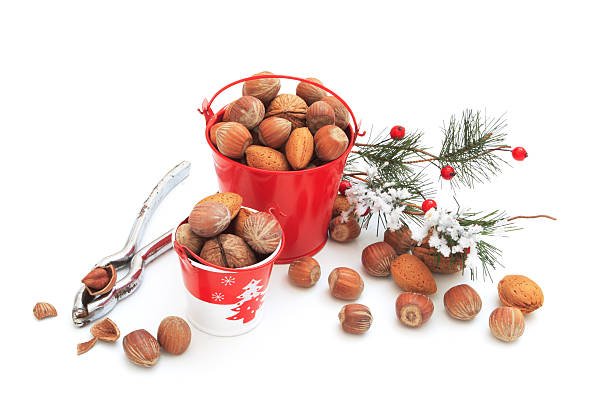
Additionally, the gift-worthy appearance of metal tins increases their reuse potential. Many brands add embossing, matte coatings, or festive patterns. These elements encourage consumers to keep the tins rather than discard them. This practice supports circular goals while strengthening brand identity through long-term visibility.
A Premium Look That Meets Market Expectations
Packaging now plays a major role in purchase decisions. Shoppers often judge freshness and quality by external appearance. Tin cans deliver a premium look that suits nuts marketed as healthy luxury snacks. Gift tins for nuts also align with seasonal themes such as holidays, weddings, and corporate gifting. As brands seek flexible designs that match diverse markets, tin offers endless customization options. Therefore, it supports product storytelling and emotional value.
Because metal reflects light in a refined way, tins create a strong visual impact on store shelves. Meanwhile, their weight provides a sense of quality. These emotional cues align with high-end segments and help brands differentiate themselves in crowded aisles. As nut consumers shift toward quality-driven choices, premium packaging gains strategic importance.
Tin Recycling Completes the Circular Loop
Circular packaging systems depend on successful material recovery. Tin cans contribute to this goal because metal enjoys one of the highest recycling rates globally. Steel and tinplate recycling infrastructures already operate efficiently in many regions. This network allows tins to re-enter production cycles quickly without material degradation. As a result, brands can support circular models without relying on complex waste-processing innovations.
Moreover, consumers understand metal recycling better than mixed-material plastic recycling. Therefore, they can participate in disposal and sorting with fewer errors. This clarity increases real recycling rates and reduces contamination issues. With this advantage, empty gift tins for nuts achieve stronger circular performance than many alternatives.
Lightweight Construction Reduces Transport Impact
Sustainability also involves logistics efficiency. Although metal appears heavy, modern tinplate packaging remains surprisingly lightweight. This feature reduces transportation emissions while maintaining strength. Because nuts require robust protection against moisture and crushing, tin’s strength-to-weight ratio becomes a critical advantage. Meanwhile, optimized shapes and stackable designs maximize pallet density, allowing brands to ship more products per load. As companies seek lower carbon footprints across supply chains, this transport efficiency becomes an essential part of circular packaging.

Shape Flexibility Supports Brand Creativity
Circular packaging must remain functional, but it should also inspire innovation. Tin packaging offers extensive shape flexibility, including cylinders, rectangles, hearts, ovals, and seasonal forms. Nut brands can use creative shapes to differentiate products while supporting reuse. When consumers love the shape, they keep the tin longer. This behavior strengthens circular impact and increases the brand’s presence in daily life.
Custom artwork and embossing also support storytelling. Nut products can display origin information, harvest seasons, and sustainability messages directly on the tin surface. Because metal accepts high-detail printing, brands can achieve striking visual finishes that align with their identity. This capability strengthens brand trust and enriches customer experience.
Supporting Zero-Waste Strategies Through Durability
Zero-waste goals require packaging that resists damage, supports multiple uses, and avoids disposal. Tin cans meet all these needs because they maintain form under high pressure and long-term storage conditions. As a result, they reduce product loss due to packaging failure. Preventing waste at this level is a key part of sustainable systems. Therefore, choosing durable packaging such as empty gift tins for nuts helps brands reach waste-reduction targets while maintaining product quality.
How Tin Cans Enhance E-Commerce Performance
Online sales create new packaging challenges. Products encounter vibration, stacking, and fast temperature changes during shipping. Tin cans protect nuts during these movements because of their rigid walls and tight closures. Therefore, they reduce return rates and protect brand reputation. Additionally, their premium appearance enhances the unboxing experience, which is increasingly important in the digital economy.
Since e-commerce demands stronger packaging, tins offer a balanced solution that supports both sustainability and performance. Their strength reduces the need for additional protective materials, which lowers total packaging waste. As circular models evolve, this holistic reduction becomes vital for responsible logistics.
A Comprehensive Approach to Circular Packaging
Effective circular packaging requires material durability, clean recyclability, efficient protection, and long-term consumer engagement. Tin cans support all these requirements through their strong structural qualities, food-safe surfaces, and reusable designs. Because they integrate performance and sustainability, they help nut brands transition from disposable models to circular systems.
Conclusion
Empty gift tins for nuts play a critical role in circular packaging strategies. Their reusable nature, protective qualities, and full recyclability support zero-waste goals while elevating brand value. Moreover, their premium look and customizable features enhance customer experience and encourage long-term use. As the nut industry adopts sustainable models, tin cans offer a practical and reliable path toward responsible production. Through durable construction and clear environmental benefits, they help brands create packaging systems that protect both products and the planet.