
store themVintage Christmas tins are returning to the center of holiday packaging culture. Their classic charm, emotional value, and decorative appeal give them new strength in a competitive market. Although trends evolve each year, these trends have remained surprisingly resilient. Today, they rise again as a preferred choice for cookies, chocolates, gift sets, and seasonal merchandise. This revival is not accidental. It reflects deeper cultural changes, shifts in consumer expectations, and the expanding role of packaging in storytelling.
The renewed interest in vintage Christmas tins demonstrates the strong relationship between nostalgia and modern purchasing behavior. People now look for products that offer emotional comfort and visual warmth. Holiday packaging plays a crucial role in this experience. Therefore, vintage designs gain new relevance as families seek items that feel authentic and meaningful. Their decorative silhouettes, old-style illustrations, and retro color palettes deliver a sense of continuity that modern minimalist packaging often lacks.
As the holiday season becomes more visual and more curated across social media platforms, products must photograph well and spark an emotional connection. Vintage Christmas tins meet these needs with ease. Their surfaces hold detailed scenes, textured finishes, and traditional motifs. These elements create a visual richness that appeals to multiple generations. At the same time, sturdy metal structures support repeated reuse, adding functional benefits that align with sustainability trends.
This article explores the emotional, cultural, and commercial factors that explain why vintage Christmas tins are returning to prominence. It also examines how their shapes, materials, and design features influence buyer perception. Through this analysis, we can understand how vintage tins maintain value in a modern retail environment and how brands can use them to strengthen holiday product lines.
 The New Demand for Nostalgic Holiday Packaging
Holiday packaging is evolving, yet it still depends on emotional storytelling. Shapes, colors, and illustrations all influence how customers respond. During Christmas, nostalgia becomes a powerful motivator. People seek products that remind them of childhood, tradition, and family rituals. Vintage Christmas tins deliver these emotional cues instantly.
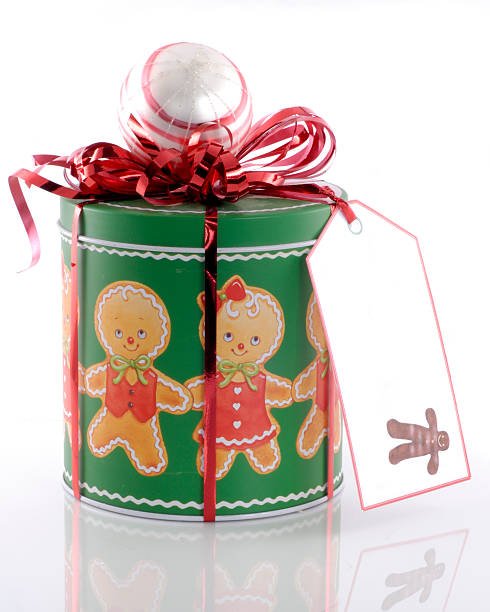
Their old-style illustrations—snow-covered towns, caroling scenes, red ribbons, golden frames—create immediate emotional warmth. Even before customers check the contents, they already connect with the packaging. This is the main reason vintage tins continue to influence holiday buying patterns.
At the same time, consumers want items that look special when displayed at home. Decorative tins fulfill this role well. They stand on kitchen shelves, living room corners, and office desks as seasonal décor. Their aesthetic presence lasts long after the treats inside are enjoyed. This mixture of function and seasonal display value keeps vintage designs relevant.
Moreover, gift-giving traditions demand packaging that communicates care and intent. Vintage tins feel thoughtful and intentional because they reflect craftsmanship. Their weight, structure, and printed details show effort. This perceived effort strengthens the emotional message behind the gift.
The Cultural Power of Vintage Christmas Tins
Vintage Christmas tins carry cultural memory. They remind buyers of earlier decades when packaging felt detailed and ornamental. Many people remember similar tins from family gatherings, holiday parties, or childhood celebrations. These memories create strong emotional associations. Because of this, buyers often choose vintage tins not only for their looks but also for what they represent.
Furthermore, vintage aesthetics align with current lifestyle trends. People are revisiting retro fashion, antique décor, traditional craftwork, and handmade goods. These trends reflect a desire for authenticity in a digital-heavy world. Consequently, vintage tins support that preference by creating a tactile, physical experience.
The cultural impact also extends to collecting habits. Some consumers treat vintage Christmas tins as collectible décor. Each tin becomes part of a holiday tradition. Collectors enjoy the variety of designs, from classic illustrations to ornate patterns. This behavior boosts demand and encourages brands to reintroduce vintage styles.
Why Vintage Christmas Tins Suit Modern Sustainability Values
Sustainability is now essential in packaging decisions. Many consumers want products they can reuse, store, or repurpose. Metal tins answer these expectations better than many disposable materials. Vintage Christmas tins combine beauty and durability, making them ideal for long-term use. This increases their environmental value and aligns with modern consumption ethics.
After the holidays, tins become storage containers for sewing supplies, craft items, snacks, and small keepsakes. Their decorative qualities encourage continued use. As a result, the brand message remains visible for months or even years.
This balance between nostalgia and sustainability strengthens the comeback of vintage tins. They offer emotional satisfaction, practical value, and environmental responsibility in one product.
The Visual Advantage: Why Vintage Designs Stand Out
In a crowded holiday market, packaging must capture attention quickly. Vintage Christmas tins excel at this through rich visual storytelling. Their illustrations often include detailed winter landscapes, textured patterns, and classic fonts. These elements stand out on shelves and online listings.
Vintage colors also enhance visibility. Deep reds, warm golds, forest greens, and antique whites create a strong contrast. These colors carry cultural familiarity, which helps shoppers recognize the product category instantly.
Moreover, vintage illustrations photograph exceptionally well. Social media platforms have turned product visuals into a marketing tool. Many buyers share their holiday gift sets, baked goods, and festive home décor online. Vintage tins offer photogenic qualities that boost sharing, which indirectly supports word-of-mouth promotion.
Shapes and Structures That Support the Vintage Revival
Shape plays a central role in the comeback of vintage Christmas tins. Classic round tins dominate the category because they have deep cultural roots. Nearly every household has seen or owned a round holiday tin. This familiarity enhances trust.
However, rectangular, oval, and heart-shaped tins also contribute to the trend. Their silhouettes evoke different eras and styles. For example, rectangular tins often resemble old biscuit boxes, while oval tins feel elegant and refined. Heart-shaped tins emphasize warmth and sentimental value.
Structure matters as well. Heavy-gauge tinplate, firm edges, and precise lid fittings make the tins feel premium. These tactile elements create a satisfying user experience. Many people associate this tactile quality with older craftsmanship, which strengthens the vintage perception.
The Role of Retro Art in Modern Tin Design
Graphic art defines the personality of vintage Christmas tins. Designers use old printing styles to mimic antique illustrations. Traditional brushwork, hand-drawn patterns, and textured shadows create authenticity. These techniques echo the visual styles of earlier decades.
Typography further enhances the vintage impression. Serif fonts, script lettering, and gold foil accents reflect a retro presentation style. When combined with embossed surfaces, the result becomes visually rich and emotionally warm.
Designers often include motifs such as:
• sleighs and reindeer
• snowy villages
• nostalgic toys
• traditional ornaments
• red berries and holly
These motifs carry cultural meaning. Each symbol reinforces the holiday spirit. Because of this, vintage tins communicate warmth without relying on modern trends.
Why Consumers Prefer Vintage Tins for Gifting
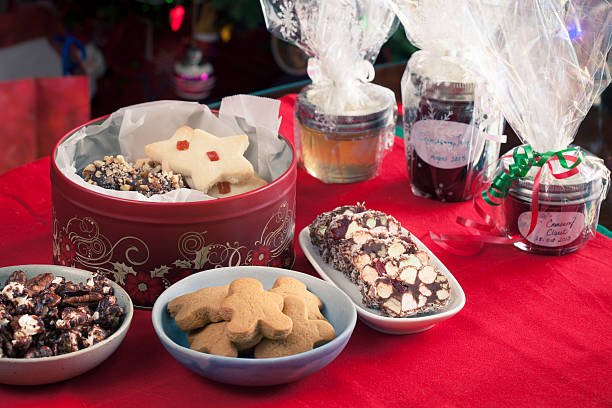
Gift-giving demands packaging that feels special. Vintage Christmas tins create this effect naturally. Their rigid structure protects delicate treats. Their decorative surfaces add visual value. Their nostalgic style enhances emotional expression.
When used for cookies, chocolates, or handmade treats, vintage tins elevate the perceived effort behind the gift. They make simple items feel thoughtful. This transformation appeals to customers who want affordable yet meaningful holiday gifts.
In corporate settings, vintage tins also perform well. Many businesses use them for seasonal gift sets or promotional products. The vintage look helps build positive brand associations and strengthens holiday engagement.
How Vintage Christmas Tins Support Holiday Storytelling
Storytelling drives modern branding. Packaging becomes part of the story. Vintage Christmas tins help brands craft narratives around tradition, craftsmanship, and warmth. Their illustrations create emotional context. Their shapes evoke familiar memories. Their surfaces carry decorative charm.
This storytelling power is valuable in retail environments where products compete for attention. Vintage tins convey personality and history. They connect with buyers before they read labels or inspect the contents.
Brands that use vintage designs can position their products as heartfelt, traditional, and culturally rich. This positioning resonates strongly during Christmas, when emotional storytelling becomes an essential marketing strategy.
Modern Technology Enhances Vintage Tin Production
Although the aesthetic is old-fashioned, modern production technology improves the performance of vintage tins. Advanced printing systems increase detail, depth, and color accuracy. Improved coating processes create scratch-resistant surfaces. Enhanced embossing tools deliver cleaner textures.
These updates ensure that vintage tins meet modern quality expectations. They look traditional yet perform reliably in transport, retail display, and long-term use.
The blend of modern engineering and vintage style produces a product that appeals across generations.
How Vintage Christmas Tins Fit Into Holiday Home Décor
Holiday décor is a major driver of seasonal purchases. Many people decorate their kitchens, living rooms, and workplaces with items that capture the festive atmosphere. Vintage Christmas tins blend seamlessly into these décor themes.
a. Their classic illustrations resemble collectible ornaments.
b. Their metallic sheen reflects seasonal lights.
c. Their shapes complement traditional décor styles.
Therefore, customers often keep them on display rather than store them.
This decorative value increases demand. Buyers select tins not only for packaging purposes but also for their ability to enhance the holiday environment.

Why Vintage Tins Work Well Across Multiple Product Categories
Vintage Christmas tins offer flexibility across many holiday items. They suit cookies, biscuits, chocolates, teas, and candies. They also work well in non-food categories such as candles, gift sets, and craft kits.
This versatility supports strong retail performance. A single tin shape can serve several product lines. This helps brands maintain consistency and reduce packaging complexity. The vintage style ties different products together under one cohesive holiday theme.
Because of this adaptability, vintage Christmas tins remain a strategic choice for broad holiday collections.
Conclusion: Why Vintage Christmas Tins Continue Their Comeback
Vintage Christmas tins have returned because they deliver emotional richness, visual charm, and practical value.
- They connect with cultural memories.
- They support sustainability trends.
- They elevate gifting experiences.
- They enhance home décor.
They also complement modern technology through improved printing and production quality.
As holiday markets become more competitive, packaging must create lasting impressions. Vintage tins offer that impression through nostalgic art, classic shapes, and reusable structures. Their comeback is not temporary. It reflects long-term shifts in consumer taste and seasonal storytelling.
By blending tradition with performance, vintage Christmas tins continue to define holiday packaging in a way that feels warm, familiar, and visually captivating.