
Tea has always been more than a beverage; it symbolizes hospitality, respect, and cultural refinement. In many societies, gifting tea represents not only generosity but also a deep appreciation of relationships. Over the years, packaging has evolved to reflect this cultural significance. Tea tin gift boxes have emerged as a vital component of the gifting economy, combining practical preservation with aesthetic appeal.
The rising demand for premium tea products has pushed brands to invest in packaging that goes beyond functionality. Consumers expect tea gifts to convey heritage, artistry, and exclusivity. As a result, tin boxes have become preferred solutions, offering both durability and elegance. Within seasonal marketing, weddings, and corporate events, tea gift boxes now serve as key instruments of symbolic expression and brand identity.
Cultural Importance of Tea in Gifting
Tea carries profound symbolic meaning across cultures. In Asia, tea is associated with purity, respect, and gratitude. Offering tea during weddings, festivals, or formal visits demonstrates sincerity and honor. In Western markets, tea gifting has become a way to share wellness and comfort, aligning with lifestyle trends that emphasize mindfulness.
Packaging enhances this cultural symbolism. Tea tin gift boxes add a sense of permanence and artistry to the act of gifting. Unlike disposable packaging, tins often become keepsakes, reinforcing emotional connections. They bridge traditional values with modern design expectations, making tea gifts suitable for both personal and professional exchanges.
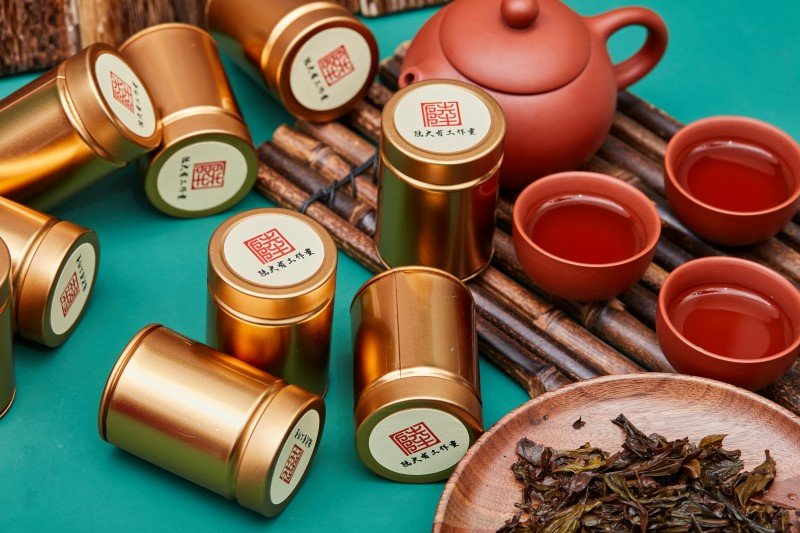
Tea Tin Gift Boxes in Weddings
Weddings remain one of the most prominent occasions for tea gifting. In many traditions, the bride’s family presents tea to symbolize unity and blessing. Tin boxes customized with elegant designs elevate this ritual, turning tea into a lasting memento.
For modern couples, tea tin boxes offer opportunities for personalization. Engraved names, wedding dates, or bespoke artwork transform a simple container into a unique souvenir. Beyond their symbolic role, tins also provide practical benefits by ensuring long-term freshness of premium teas. This combination of meaning and function ensures that tea tin boxes remain an integral part of wedding gifting culture.
Furthermore, the reusability of tins aligns with eco-conscious values, resonating with younger generations who prioritize sustainability. By merging tradition with contemporary preferences, tin gift boxes help weddings maintain cultural authenticity while embracing modern consumer ideals.
Seasonal Marketing and Festive Gifting
Seasonal festivals provide fertile ground for tea gifting. Holidays such as Lunar New Year, Mid-Autumn Festival, Diwali, and Christmas generate heightened demand for luxury gift packaging. In these contexts, tea tin gift boxes serve as essential marketing assets.
Brands strategically release limited-edition tins featuring festive motifs, symbolic colors, and culturally relevant patterns. These seasonal designs amplify emotional resonance and stimulate purchase intent. Consumers perceive such gift boxes as more than containers; they embody the spirit of the season.
The premium appearance of tin boxes also enhances shareability on digital platforms. Social media users often showcase festive packaging, amplifying organic brand exposure. Consequently, seasonal marketing campaigns centered on tea tins generate both immediate sales and long-term brand loyalty.
Corporate Gifting and Business Etiquette
In the corporate world, gift-giving is a means of strengthening partnerships and expressing goodwill. Tea, with its universal appeal, serves as an ideal corporate gift. When presented in premium tea tin gift boxes, it conveys professionalism, sophistication, and respect.
Businesses increasingly seek packaging that reflects corporate identity. Custom tin boxes featuring company logos or thematic branding create meaningful impressions while reinforcing brand presence. For international exchanges, tea tins embody cultural diplomacy, combining tradition with universal accessibility.
Moreover, the durability of tin packaging ensures that the gift remains on desks or in offices long after the tea is consumed, prolonging brand visibility. This enduring presence distinguishes tins from less durable alternatives and reinforces their strategic role in corporate gifting.
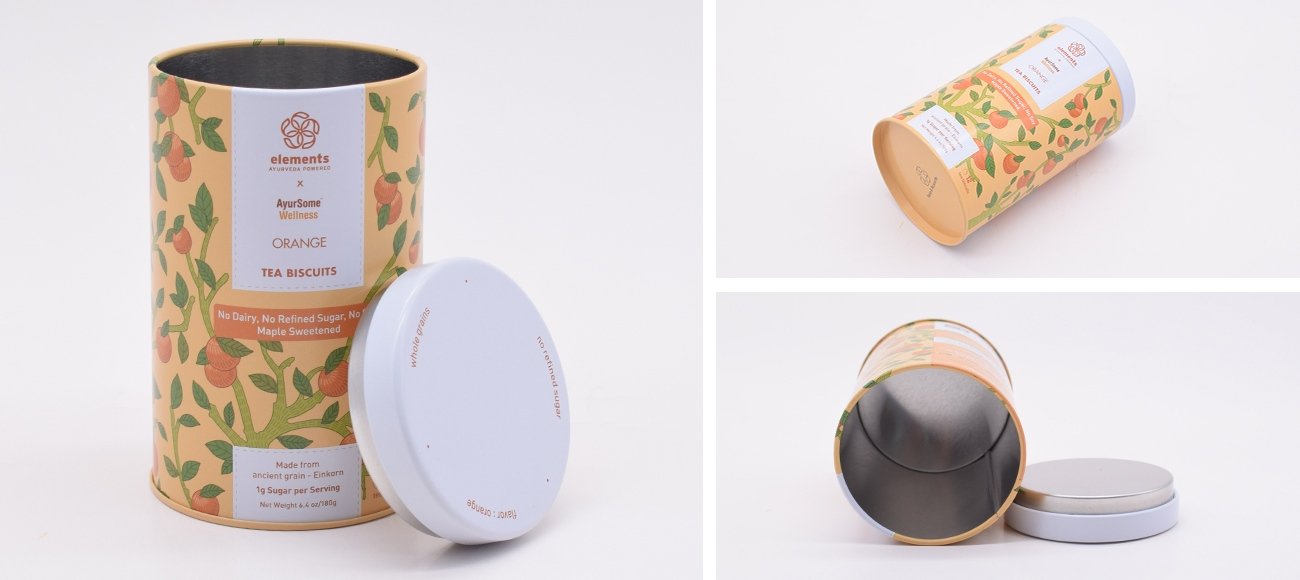
Functional and Aesthetic Value of Tin Packaging
The appeal of tea tin gift boxes lies in their ability to balance functionality and design. From a functional standpoint, tin protects tea from moisture, light, and oxidation, ensuring that delicate flavors remain intact. Consumers purchasing premium teas expect packaging that safeguards quality, making tins an ideal choice.
From an aesthetic perspective, tins allow for intricate customization. Embossing, metallic finishes, and artistic printing transform a simple box into a collector’s item. This artistic flexibility enables brands to differentiate themselves in competitive markets. As a result, tin boxes fulfill dual roles: they preserve the product while elevating its perceived value.
Additionally, the tactile experience of opening a tin enhances consumer engagement. The weight, smooth surface, and audible click of a secure closure contribute to a multisensory experience. This attention to detail strengthens the emotional bond between consumer and brand.
Consumer Preferences and Emerging Trends
Modern consumers increasingly prioritize sustainability, authenticity, and personalization. Tea tin gift boxes align seamlessly with these expectations. Their reusability reduces waste, supporting eco-conscious lifestyles. Their customizable surfaces allow for individualized experiences that resonate with personal values.
Emerging trends also show growing interest in minimalistic designs that emphasize natural textures and clean lines. At the same time, premium markets continue to favor ornate finishes that celebrate heritage. Tin packaging accommodates both extremes, offering flexibility for diverse audiences.
Digital retail further amplifies the importance of packaging design. With online shopping, consumers rely heavily on visuals. Striking images of luxury tea tin gift boxes enhance online appeal and encourage purchases. Brands that invest in photogenic packaging gain a competitive edge in e-commerce.
Strategic Role in Branding and Market Positioning
For tea brands, packaging is no longer a secondary concern but a primary branding tool. Tea tin gift boxes communicate brand values before consumers taste the product. They reflect commitment to quality, attention to detail, and cultural relevance.
By integrating seasonal campaigns, wedding traditions, and corporate gifting into their strategies, brands leverage tin packaging as a versatile marketing instrument. The adaptability of tins ensures that they can embody both timeless elegance and contemporary innovation. This duality makes them indispensable in positioning tea as a premium lifestyle product.
Conclusion
The gifting culture surrounding tea demonstrates how packaging influences perception, tradition, and consumer behavior. Tea tin gift boxes embody this intersection by combining cultural symbolism with functional excellence. Their ability to merge aesthetic sophistication with practical reliability secures their place in the global tea industry. Moreover, their alignment with sustainability and personalization ensures continued relevance among evolving consumer groups.
Ultimately, tea tin gift boxes transcend their role as containers. They serve as cultural symbols, marketing assets, and enduring keepsakes. For brands, they represent strategic tools for building identity and loyalty. For consumers, they elevate tea gifting into a meaningful ritual. As the market evolves, tea tin gift boxes will remain central to the dialogue between heritage and modernity, reinforcing the timeless value of tea in global gifting culture.